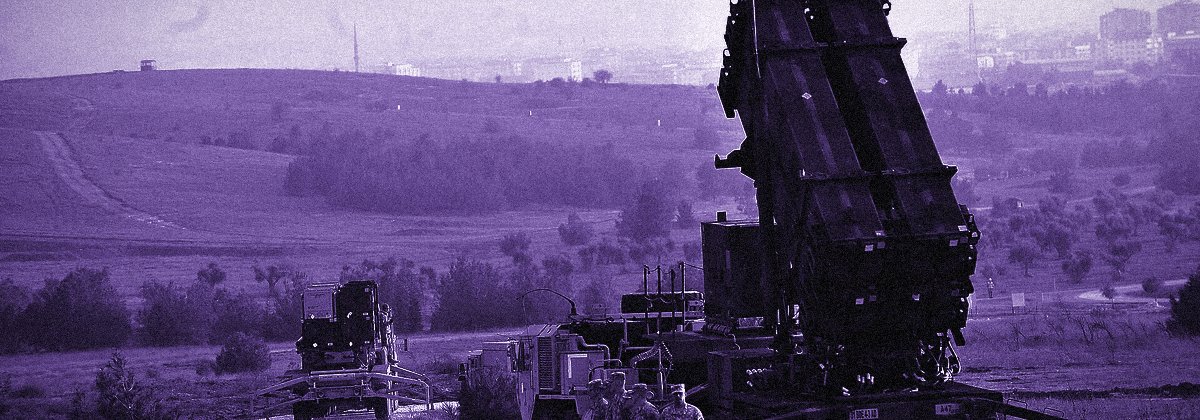
For most of this season the record at Saudi airports has read as a defensive ledger: launches tracked, missiles intercepted, debris cleared, operations resumed. The statement issued Wednesday evening by the General Authority of Civil Aviation is a different kind of document. Three people are dead and 36 injured at two of the Kingdom’s passenger hubs, and the response that followed within a day was not a reserved phrase but a numbered operation.
The confirmed facts come from GACA. King Khalid International Airport in Riyadh and Abha International Airport in Asir were targeted in separate attacks on Tuesday and Wednesday. At Abha, two women, one Moroccan and one Algerian, were killed and 28 people were injured. At King Khalid, a Sudanese resident was killed and eight people were injured: five Saudi citizens, two Egyptian residents and a Pakistani resident. Injuries ranged from minor to serious, and all of the wounded were taken to hospitals. The authority reported material damage, said established emergency procedures were activated at both airports, and said it is working with security agencies to assess the damage and protect passengers and civil aviation operations.
The casualty list is worth reading closely, because it describes who actually moves through Saudi terminals. Citizens and residents from Morocco, Algeria, Sudan, Egypt and Pakistan were standing in the same halls. The Kingdom’s airports are the connective tissue of a resident workforce of more than ten million expatriates, the register this publication examined on Wednesday, and of the pilgrim and visitor economy built on top of it. An attack on the terminals is an attack on the ordinary mechanics of that arrangement, which is precisely why the response treated it as a threshold.
That response was announced early Thursday by the coalition’s spokesman, Maj. Gen. Turki Al-Malki, in a statement carried by the Saudi Press Agency. Attacks on civilians and civilian objects, he said, “will not go unpunished.” The joint forces conducted what he described as a comprehensive operation against 82 military targets across Saada, Al-Hudaydah, Al-Jawf and Marib, including 11 mountain storage sites for ballistic missiles in Saada, along with command and control centers, communications systems and weapons depots. He also closed an open file from Wednesday: the ballistic missile intercepted on its way to Riyadh that morning, whose launch platform, he said, was tracked to Sanaa and destroyed while it was being prepared for another attack.
The exchanges continued into Thursday. The coalition reported intercepting and destroying two further ballistic missiles launched toward Riyadh and a third aimed at Khamis Mushait. A separate Houthi claim of a strike on the Riyadh airport on Thursday was not confirmed by Saudi authorities, and the season’s record argues for waiting on the official account: claim and confirmation have diverged repeatedly since September.
What changed this week is the register of the Saudi answer. After the Riyadh interception of 19 September the coalition said it reserved the right to deterrent measures. After Taif and Yanbu it promised firmness. After the Madinah station attack it spoke of red lines. Each formulation stayed in the reserved tense. Thursday’s statement is written in the past tense: 82 targets, four governorates, 11 storage sites, one launch platform. Publishing the count is itself part of the message, a claim about intelligence coverage as much as firepower, reinforced by the detail that the Sanaa platform was found while being readied rather than after firing.
The file to watch now is civil aviation itself. GACA’s damage assessment will determine how quickly both airports return to full schedules, and its language will show whether the Kingdom formalizes a protective posture around its terminals the way it has around the energy corridor. The southern airports file is also open: Najran and Jazan airports were targeted on Monday with three people injured, and those attacks have so far been reported without a standalone statement of their own. Whether they get one will show how wide the authority intends to draw the line the coalition has now priced.