Analysis

Washington says Iran will answer for Houthi attacks on Saudi tankers. The terms of American protection, and how Riyadh prices them, now shape the management of the war.

A draft American agreement would let Saudi Arabia enrich uranium. It sits unsigned in Washington. The royal orders of 11 July are best understood alongside it.

The Digital Cooperation Organization is producing frameworks and governance tools at speed. The next test is whether governments adopt them and whether adoption changes anything.

Fitch affirmed Saudi Arabia at A+ during a regional conflict. What an affirmation does and does not say, and where the next test arrives on the agency's own numbers.

Every additional headquarters changes the decision facing the firms that have not moved yet. Saudi Arabia never needed every multinational to relocate at once. It needed enough to establish a pattern others could not ignore.

Diplomacy is often judged by announcements. Influence is measured by something less visible: who is willing to answer the phone when circumstances become difficult. A single week of Saudi diplomacy with Kyiv, Doha, Baghdad and Washington reveals the network Riyadh has spent a decade building.

Countries usually develop tourism by following demand. Saudi Arabia chose the opposite sequence, building airports, utilities and resorts before the visitors existed. Record occupancy and fifteen new weekly flights suggest the balance may be shifting, and the question is no longer whether demand exists.
There is a category error that runs through most Western coverage of Gulf security events. It treats each Iranian escalation as a discrete crisis requiring a response, when the more useful frame is that the Gulf has a permanent security environment that requires constant management. Saudi Arabia on Tuesday did not react to Iran. It operated within a system it has spent years building precisely for moments like this one.
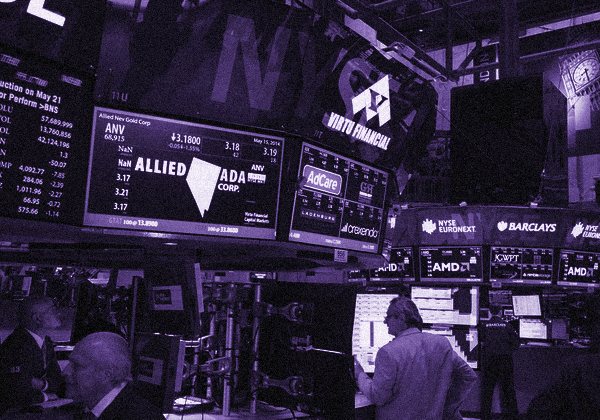
The logic behind PIF's 2026-2030 strategy shift is sound. A sovereign wealth fund that builds everything itself creates a structural dependency that undermines the diversification it is meant to achieve. The problem is the sequencing. Construction contract awards fell from $71 billion in 2024 to below $30 billion in 2025. The private sector pivot is being announced at the moment when the state's ability to backstop it has weakened, not when it has strengthened.
The EU spent four years negotiating its AI Act. The United States relies on voluntary commitments. China has sector-specific rules without a unified architecture. Saudi Arabia's national AI risk framework, issued Tuesday, represents governance infrastructure written before the failures that typically force regulatory action have accumulated. Whether this advantage holds depends on how well the framework adapts as the technology develops.