The Fourth Year
The IMF’s main policy committee asked Mohammed Al-Jadaan to keep the chair for a further year, and its governance reform agenda now runs on principles named for Diriyah. The seat says as much as the speech.
The National Cybersecurity Authority priced the Kingdom’s cybersecurity sector at SR16.3 billion in 2025, with private buyers carrying 69 percent of the spending and the sector contributing about SR20 billion to output.
Saudi Aramco and NESR will spend about $200 million proving that battery-grade lithium can be drawn from oilfield water, with 2,000 tonnes a year targeted from late 2027.
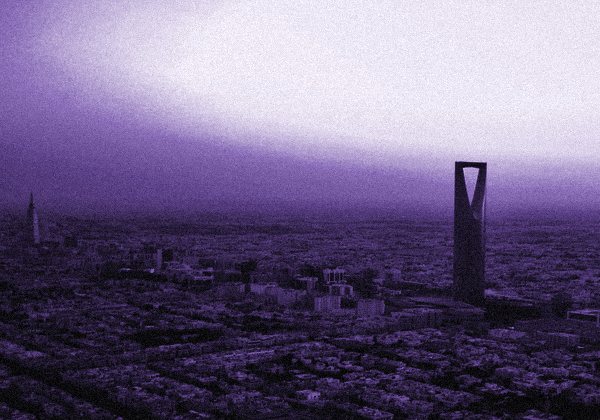
The Kingdom hosts the second EU-GCC summit in Riyadh on October 24, with King Salman’s invitations now delivered in five Gulf capitals and a Schengen visa-waiver process expected on the agenda.
Nations reveal intent through structure, not statements. A draft agreement permitting Saudi enrichment sits unsigned in Washington, constrained by a war fought over Iranian enrichment. Riyadh, meanwhile, has placed fuel, reactors and localization under one minister. One capital waits on a signature. The other has organized itself as if the signature were inevitable.
Every additional headquarters changes the decision facing the firms that have not moved yet. Saudi Arabia never needed every multinational to relocate at once.
Influence is measured by something less visible than summits and statements: who is willing to answer the phone when circumstances become difficult.