Economy
Saudi economic developments, investment, Vision 2030 progress, and private sector news.
The IMF’s main policy committee extended Mohammed Al-Jadaan’s chairmanship by one year, and its governance reform discussions will be guided by the Diriyah Guiding Principles, a Saudi-named frame inside the fund’s rulebook.
The Red Sea Authority issued the Kingdom’s first recreational boat rental regulations: two-tier licensing, inspections, insurance and disclosure rules that bind 180 days after publication.
The National Cybersecurity Authority priced the Kingdom’s cybersecurity sector at SR16.3 billion in 2025, with private buyers carrying 69 percent of the spending and the sector contributing about SR20 billion to output.
Saudi Aramco and NESR commit about $200 million to prove battery-grade lithium can be drawn from oilfield water, targeting 2,000 tonnes a year from late 2027. The deliverable is proof of cost, and the feedstock is already in the pipes.
Foreign investors sold a net $2.3 billion of Gulf stocks in the third quarter, the most since the data began in 2019, and Saudi institutions bought on the other side, Kamco reports. The year’s running total still shows foreign money net positive in Riyadh.
Card spending settled to SR13.5 billion in the week to October 10, down 18 percent from the salary-week peak but only about 5 percent under the running average. The weekly ledger is keeping to the payday calendar.
Foreign direct inflows reached SR159.1 billion in 2025, up 33.5 percent, while Saudi investment abroad nearly doubled. The annual ledger now runs in both directions, and which line matters depends on the question.
Annual inflation edged up to 1.9 percent in September and the engine is unchanged: housing rents, which contributed more than a third of the headline while most other categories stayed flat to falling.
The WPC Energy Congress closed with the 2030 power mix sounding like a construction schedule: ACWA’s Saudi chief reported 22.5 gigawatts of renewables under construction, due online through 2028.
Two contracts worth a combined $4.3 billion landed Wednesday: a $2.2 billion construction award for the Rabigh 2 power plant and a 25-year lease for Dalipal’s $2.1 billion seamless-pipe base at SPARK.
The NEOM green hydrogen plant is 96 percent built and on course for 2027 commercial operations, the National Development Fund governor said, moving the project’s risk from construction to commerce.
The IMF’s October outlook projects 7.9 percent Saudi growth in 2027, matching the World Bank and more than twice the global pace, with the East-West pipeline cited as the buffer that set the Kingdom apart this year.
About half the national grid is being scaled up at once, the Saudi Power Procurement Co. chief told the WPC congress, with a 2030 deadline to deliver the power that industry and AI will demand.
SALIC took full ownership of the National Grain Co. and handed it to SABIL, the strategic wheat reserve operator, completing a single corporate chain from overseas sourcing to domestic silo.
The 25th WPC Energy Congress opened in Riyadh, the first the Kingdom has hosted, with an 80 percent gas expansion target detailed from the stage and energy memoranda signed with Kuwait, Qatar and Egypt.
The Riyad Bank SME PMI read 53.8 in September with new orders at a seven-month high, and the quarterly average climbed to 52.7 from 51.4 as small firms hired and stocked up.
The exchange opened on schedule and closed 0.15 percent lower at 10,360.74 on the week’s lightest turnover, with the third-quarter disclosure season starting to set prices stock by stock.
The construction index read 54.4 in September, a fifth month of expansion with the lead changing hands: infrastructure at its second-highest reading as housing eased and commercial work stalled.
Saudi Arabia and the UAE signed a memorandum in Riyadh covering grid interconnection, electricity trading and a rail freight framework. The bloc’s two largest economies start on the hardware.
AlUla’s accredited partner network grew to 19 destination management companies across six markets, as the expanded airport reaches 700,000 passengers a year ahead of the winter season.
About 87 percent of Saudi banks’ liabilities are domestic, the central bank governor told the Istanbul Economic Forum, with liquidity coverage above 170 percent. The funding structure behind a war-year balance sheet.
The Gulf approved the first five of 20 joint industrial investment opportunities at the Made in GCC forum in Bahrain. No sectors or values yet; the workshops in the Kingdom are where files become term sheets.
Card spending jumped 23 percent to SR16.5 billion in the salary week to October 3, the strongest weekly reading of the autumn and the fastest public gauge of household demand.
The World Bank and Moody’s published their readings of the Kingdom’s 2027 recovery as the cabinet reviewed the budget estimates. The direction is agreed; the argument is the slope.
GOSI’s register reached 13.99 million covered workers at the end of June, up from 12.9 million a year earlier, with just over half of all registered employment in Riyadh.
Skilled expatriate workers can now bring their families on entry visas issued alongside their own, removing a sequencing rule that kept households apart at the start of a posting.
The October Sah offering closed at a 5.00 percent annual return, 20 basis points above September and the first retail issue priced since the central bank’s rate increase.
Prince Abdulaziz bin Salman put an official number on the East-West pipeline for the first time since September’s attack: around 5.8 million barrels a day, roughly 83 percent of capacity.
Consumer spending reached SR142 billion in August, up 6 percent, with online card spending growing 26 percent while cash withdrawals fell 5 percent. The growth arrived entirely on card rails.
Red Sea International received its first scheduled Etihad flight from Abu Dhabi, a year-round link that doubles to twice weekly from October 25. The coast’s nearest market now has a published schedule.
Bank credit grew 7 percent in August, as it has all year. Lending to government-linked entities rose 18 percent, three times the private pace, with utilities the fastest-growing sector book.
MIS received the first work order under its SR8.7 billion data-center agreement with HUMAIN: the opening 50 megawatts, valued at more than 148 percent of its entire 2025 revenue.
The Rabigh 2 project company closed SR9.69 billion in financing on a tenor of about 34 years, from three Saudi banks and two international lenders. The power build is borrowing on a generational horizon.
From Sunday, market orders on the Saudi Exchange will execute across up to five price levels before converting to limit orders. The change lands as nine-month data shows SR23.6 billion moving through negotiated deals away from the open book.
Four listed Saudi pipe manufacturers have disclosed Aramco supply contracts worth a combined SR1.28 billion in five weeks. The orders say as much about how the national oil company procures as about what it is building.
RCRC has ordered additional driverless metro trains from Alstom in a contract worth about SR2 billion, less than two years after opening. More than 100 million passengers have ridden the network, and the constraint is now capacity, not demand.
Expatriate remittances held near flat at SR13.5 billion in August while the economy kept hiring. A larger share of what the Kingdom pays its foreign workers is being spent inside the Kingdom.
The preliminary 2027 budget plans SR1.39 trillion of spending against SR1.2 trillion of revenue and projects 12.8 percent growth next year. The deficit is a decision; the growth number is an assumption about oil.
A second year of Tawazoun eligibility results, a minister describing a market led by developers rather than speculation, and August mortgage data showing smaller loans across more contracts: three readings of one supply policy.
Unemployment across everyone working in the Kingdom fell to 3.0 percent in the second quarter while the rate among Saudis edged up to 6.5, GASTAT reported. One economy, two labor markets, and the distance between them is where policy now works.
Net foreign direct investment came to SR19.1 billion in the second quarter, GASTAT reported, a slower pace in the channel the investment strategy counts on most. On the exchange, foreign ownership keeps climbing.
Card spending rose 3.9 percent to SR13.4 billion in the week that carried National Day, SAMA data show, and the lift came through larger tickets rather than more transactions. It also sets the baseline for Riyadh Season.
About $130 billion of giga-project contracts have been awarded and close to $200 billion is moving through procurement. The larger half of the buildout has yet to be bought, and the constraint has moved to the machinery that does the buying.
Arabian Drilling signed a four year, SR2 billion contract for four offshore jack-up rigs with Al-Khafji Joint Operations, taking its backlog to a record SR18 billion.
Travel earned SR33.8 billion abroad in the second quarter, 57 percent of the Kingdom’s services exports. Much of the import side reads as the construction decade’s invoice.
Savvy Games Group and Tahaluf will bring 500 studios, 200 investors and the industry’s platform owners to Riyadh in December. The business of games is being invited to come to the Kingdom.
Makkah opened a 1.5 kilometer Third Ring Road link and the last section of Prince Saud Al-Faisal Road, cutting travel times on the affected routes by more than 90 percent.
Jeddah’s airport began moving ten foreign carriers into a reopened Terminal 4, adding room for 15 million passengers a year. The capacity was already standing; the decision was what to use it for.
Two CMA drafts in five days, on share offerings at home and client trading abroad, place the burden of investor protection on the institutions that sell the products.
Renewable capacity on the Saudi grid has reached 19.3 gigawatts, sixty-three times the 2020 level by KAPSARC’s count. The shape of the curve says more than the size of the number.
A global tourism index places the Kingdom 29th of 110 economies, up seventeen places since 2019. The workforce numbers inside the report explain more than the rank does.
Card spending eased 6.3 percent to SR12.92 billion in the week to September 19 as the school-run categories gave back their peak. The lines that rose are the ones to read.
July’s trade surplus came in at SR14.36 billion, a quarter smaller than a year earlier, with both exports and imports contracting. The composition of the decline says more than the size of it.
Ceer is taking orders in a market where electric vehicles are fewer than two in a hundred new registrations. The company is not entering that market so much as building it.
Riyadh has issued more than 141,000 infrastructure work permits since January, with about 10,100 sites active at once. The capital is publishing a measured account of its own construction friction.
Gas plants at Taiba and Qassim began initial commercial operations with 2,555 megawatts between them, under three years from award. The procurement model behind the speed is the story.
The first global count of humanoid robots found 7,000 sold last year. A single Saudi framework calls for up to 10,000. The gap between those numbers is the strategy.
Saudi Arabia Railways signed five agreements in a week: 33 locomotives and 780 railcars for the phosphate corridor, maintenance priced on uptime, and new signaling for the Makkah metro.
HVS puts 110,000 hotel rooms under development in Saudi Arabia, half the Middle East pipeline. Four in five are already under construction, which changes what the number means.
Ceer published the Exobot’s specifications and opened First Edition orders a day after the premiere: up to 670 kilometers of range, 850 horsepower, and no price yet.
Riyadh entered the top 50 of the Oxford Economics Global Cities Index for the first time, rising 47 places in a year on job creation and population growth.
Crown Prince Mohammed bin Salman launched the Exobot sedan and SUV, Ceer’s first vehicles, built at King Abdullah Economic City, with seven models planned over five years.
The Air Arabia-led consortium’s budget carrier flew its inaugural service from King Fahd International to Riyadh on a 174-seat A320, still without a public brand name.
PIF launched Tawrid, a digital supply-chain financing platform where banks buy approved invoices, with GIB, SNB and Banque Saudi Fransi funding and ROSHN among the buyers.
MIS signed definitive agreements worth more than SR8.7 billion with HUMAIN, expanding its contracted AI data-center buildout to 250 megawatts, delivered through staged work orders.
ROSHN and TMG Saudi disclosed a preliminary joint venture for more than 55,000 Riyadh homes, with the Egyptian developer’s local arm holding 51 percent.
Red Sea Global and the Dr. Sulaiman Al Habib group opened The Red Sea Hospital, the destination’s first full hospital. The buildout has moved from room keys to the civic layer that lets a resort coast scale.
The Cabinet approved a 13-initiative national strategy for entrepreneurship and small business. The target is not more firms. It is bigger ones.
SAMA raised its repo rate to 4.50 percent hours after the US Federal Reserve’s first increase since 2023. The peg made the decision automatic; what the Kingdom does with a higher price of money is not.
Monsha’at signed a SR5 billion Shariah-compliant financing agreement with STC Bank in Riyadh. The fintech buildout is turning into credit infrastructure for the smallest firms in the economy.
Maaden expects Saudi aluminum demand to reach as much as 1.8 million tonnes a year by 2030, nearly double today’s level. Domestic use already runs ahead of domestic smelting.
GACA licensed the Air Arabia consortium’s Dammam-based low-cost carrier, and its first flight leaves King Fahd International for Riyadh on Sunday. The Eastern Province gets an airline whose route planning starts at home.
The Saudi and Qatari central banks ran the first Himyan payment across the mada network on a Riyadh stage. Two national card schemes built for sovereignty at home are becoming shared infrastructure abroad.
The Energy Ministry outlined a 110 million tonne ore body at Jabal Sayid in Madinah, weighted toward heavy rare earths with uranium alongside. The disclosure was made at the IAEA General Conference, and the venue carried as much information as the figure.
Consumer prices held at 1.8 percent for a fourth consecutive month in August while wholesale prices ran at 4.6 percent. The distance between the two numbers is where the year’s freight and insurance costs are sitting.
GASTAT’s second-quarter trade accounts show a surplus of SR61.5 billion, up 62 percent, in the same quarter the national accounts measured oil volumes falling by a quarter. Fewer barrels left the Kingdom, and each earned more.
Arabian Drilling’s second rig contract with SLB in two weeks takes one client relationship to 19 rigs and roughly SR5 billion, and lifts the backlog to about SR16 billion.
CEER will stage the world premiere of its first electric sedan and SUV on September 21, four years after the venture began with 20 employees. A car is the most public test an industrial strategy can set itself.
S&P Global Ratings kept the Kingdom at A+ with a stable outlook in a year its own forecast shows output contracting. The rating is a judgment about buffers and flexibility rather than growth.
A SR829 million building-systems contract for the Prince Mohammed bin Salman Stadium fixes May 2030 as the completion window for the Kingdom’s flagship 2034 venue, four years before the tournament it was designed around.
Etihad Airways will fly year-round from Abu Dhabi to Red Sea International from October 4, the destination’s first UAE-capital link and the airline’s sixth Saudi city. The shortest routes are doing the strategic work.
SABIC Agri-Nutrients awarded a $3.47 billion contract for a seventh production complex that will not sell a tonne before late 2030. In a soft first half, the board priced the next cycle rather than this one.
Riyadh Air’s first daily Manila service arrived on Wednesday afternoon, the fourth Asian route the carrier has opened since late July. The corridor strategy now has to work as an operation, one 290-seat departure at a time.
Edarat filed two disclosures in one day: an award letter from MIS reported at SR197.8 million, and a SR150 million plan to expand its own cloud platform. The AI buildout has reached the layer beneath the headline names.
GASTAT’s detailed second-quarter accounts confirm the contraction and revise its composition: non-oil growth lifted to 0.9 percent from the flash estimate’s 0.6. The war quarter’s second reading found more civilian economy than the first one counted.
The Public Investment Fund’s new Gulf Coast Development Co. takes the destination-company model to Al-Khafji, with eleven homes planned for every hotel key. The Kingdom’s coastal build has reached its other shore.
The Red Sea destination’s utilities reached commercial operation: 340 megawatts of solar, the world’s largest off-grid battery, and a 25-year concession that turns an engineering showcase into a business.
Al Rajhi Capital’s construction index read 55.4 in August, its second-highest print, with homebuilding out in front again. The building boom is being led from the housing site, not the mega-project.
September’s Sah issue opened Sunday at 4.80 percent, the third ten-basis-point step in three months. The debt office is building a retail curve, and a savings habit, one month at a time.
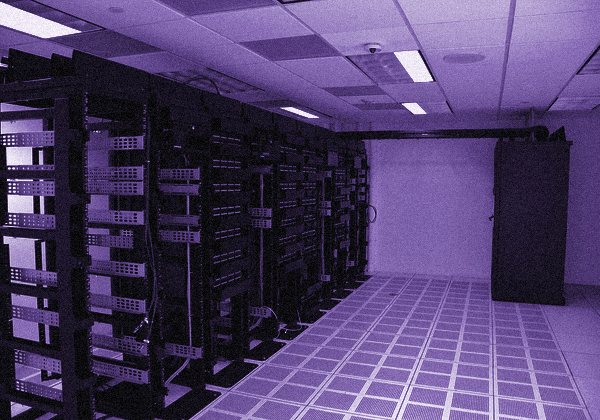
HUMAIN plans an initial $2.5 billion raise for a data center fund managed by BSF Capital and open to institutions at home and abroad. The buildout announced in megawatts is becoming something investors can own.
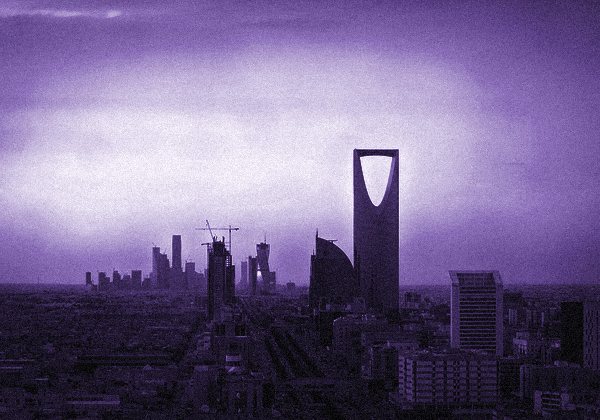
LEAP’s fifth edition ended at nearly $15 billion in announced investments, almost exactly last year’s figure. The number held steady. What it is made of did not.
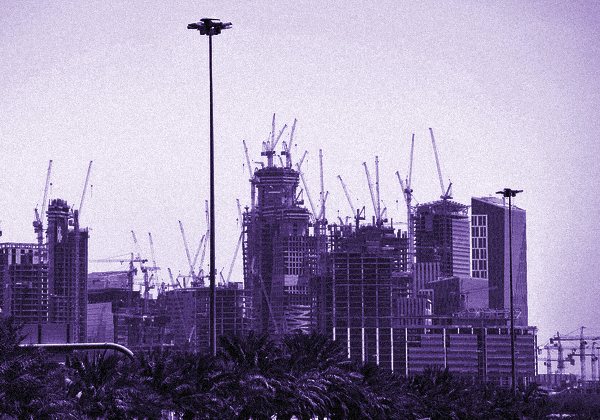
The sovereign raised $3.25 billion on Tuesday. Two banks followed with $1.35 billion in capital sukuk by week’s end. One window, three borrowers, and a price set at the top.
Weekly card spending rose 11.5 percent to SR15.8 billion in the first full week of school. Education held its new level; the growth came from everything around it.
More than $2.5 billion in data center commitments at LEAP came from Saudi companies: an IT contractor, a housing developer, a telecom. The layer between the grid and the cloud is filling in with local capital.
Lenovo’s Riyadh plant will be its largest outside China and the only one anywhere building laptops, desktops, servers and smartphones under one roof. Production starts late this year.
The Saudi Investment Bank is selling its half of American Express Saudi Arabia for SR1.43 billion, more than twice book value. A venture built for one era of the market is unwound at the start of another.
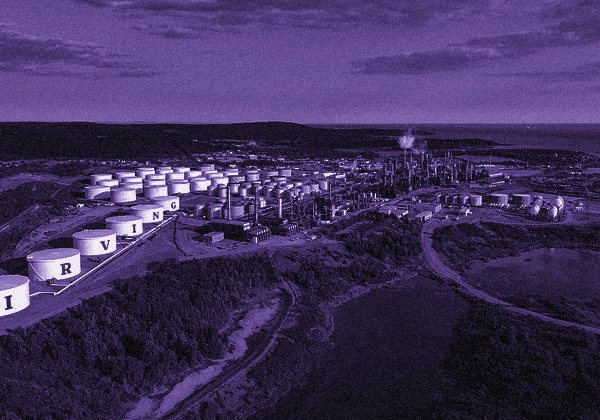
Three agreements announced at LEAP connect the electricity system to the AI buildout: the transmission operator will power a HUMAIN data center, and the utility’s developers signed with center3 and Huawei. Grid work starts as frameworks.
Arabian Drilling turned a one-year extension into a five-year, SR3 billion gas drilling agreement with SLB covering 11 rigs. Contract length is a measure of the client’s confidence in the program behind it.
Bank assets reached SR5.75 trillion in July. The composition moved more than the total: savers shifted into term deposits, state-linked enterprises borrowed faster, and government balances fell 14 percent in a month.
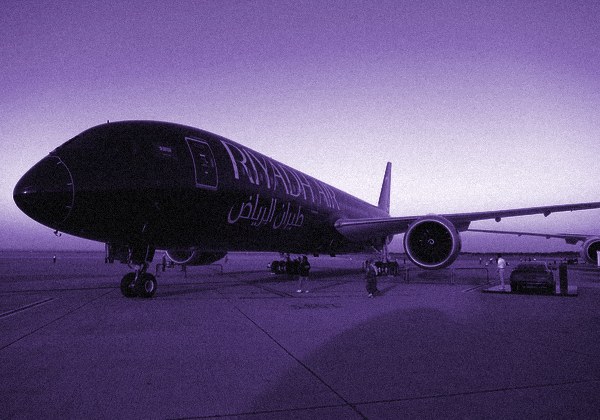
Riyadh Air graduated 26 Saudi women as aircraft maintenance engineers, the first cohort of a diploma program built with two Riyadh technical colleges. Whether an airline’s schedule holds is decided in the hangar, and the Kingdom is choosing to staff its own.
A Riyadh investment group signed a 30-year memorandum to rehabilitate and operate Syria’s Hama steel works, targeting at least 350,000 tonnes a year within four years. Saudi engagement with Syria has moved from state memorandums to private capital taking operating positions.
Fitch counts $221 billion of hard-currency sukuk outstanding after 13 percent growth in a year, with Saudi issuers behind nearly 60 percent of London-listed paper. The market’s benchmarks and issuance calendar increasingly run through Riyadh.
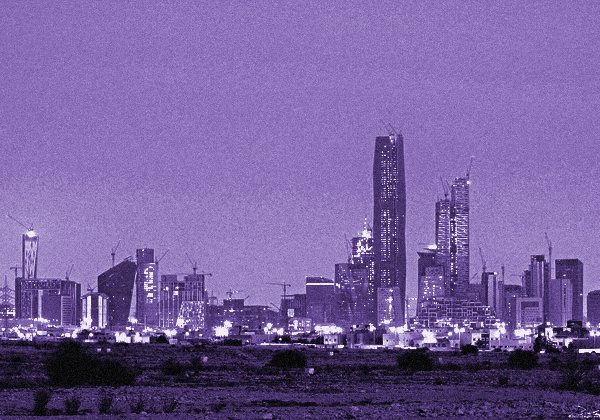
Prime office rents in Riyadh rose 3 percent in a quarter to SR3,320 per square meter and Grade A floors are effectively full. Developers are answering with design: buildings carved up so more companies fit inside the same walls.
The Gulf’s personal luxury market grew 6 percent in a year the industry shrank worldwide, and the houses drawing that map are opening their first Saudi stores. Spending that once cleared in Paris and Dubai is beginning to be invoiced at home.
Households doubled education spending to SR1.04 billion in the final week before classrooms opened, while total card spending stayed flat. The weekly ledger shows where the school year is actually paid for.
The Royal Commission for Riyadh City has launched a Digital Innovation District built around six technology fields and a stated aim of placing the capital among the world’s top ten technology hubs.
Contractors booked 11 projects worth SR9.75 billion in July, seven of them in Riyadh, and the largest buyers were the state’s own development authorities. Nearly everything signed comes due between 2028 and 2030.
Fintech platforms lent Saudi industrial firms SR541 million in the first half, more than double a year earlier. The channel reaches the factories the industrial register is adding fastest, the ones conventional lenders serve worst.
The Kingdom counted 13,660 industrial establishments in April, and factory space in all three major markets is more than 90 percent occupied. The constraint on Saudi manufacturing is no longer demand. It is floor space.
BNP Paribas registered a regional headquarters in Saudi Arabia days after the Strategic Partnership Council closed in Paris. The financing commitments made there need a bank on the ground to run through.
The National Development Fund has approved SR421 million ($112 million) for 82 gaming firms and more than 127 titles. After a season of staging tournaments abroad, the money is moving to where games are made.
June’s merchandise surplus held at SR18 billion while exports and imports both narrowed. The line that says most about the Kingdom’s build cycle is a 20 percent fall in machinery imports.
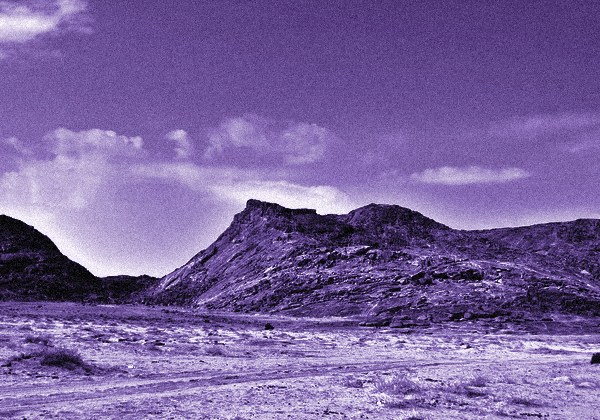
Maaden raised $1 billion in its first international syndicated credit facilities, split between a term loan and a revolver it does not plan to draw. The oversubscribed book prices Saudi mining as a standalone credit.
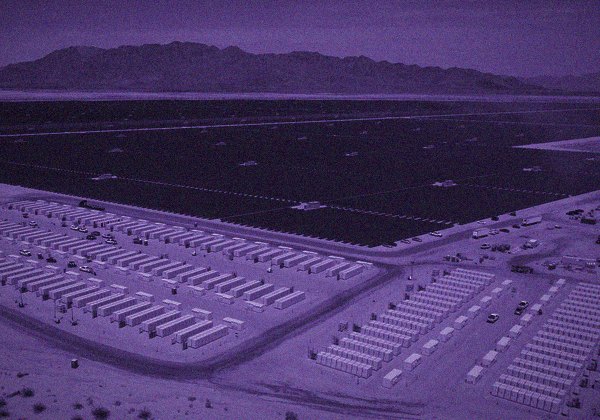
The Saudi Power Procurement Company signed SR4.35 billion ($1.16 billion) of storage agreements for four battery projects totaling 2,000 megawatts. The batteries, not the panels, now set the pace of the renewables buildout.
Card spending on education rose 62.7 percent in the week to August 15, the first household data of Sunday’s school opening. The pullback in total weekly spending is the payday calendar at work, not the consumer.
The Ministry of Investment issued 9,018 licenses in the second quarter, a record and a 252 percent jump on a year earlier. The number counts intent to enter the market, not money already spent, which is what makes it useful to read early.
Saudi banks grew net loans 7 percent to SR3.25 trillion in the second quarter, and the largest lenders trimmed their guidance for the year. The slowdown is a decision about margins, not a signal of weaker demand.
Maaden and Aramco agreed to explore 182,000 square kilometers of the Kingdom together, a tenth of its territory. Maaden brings control and mining experience; Aramco brings the rarer asset, nine decades of subsurface data now pointed at copper.
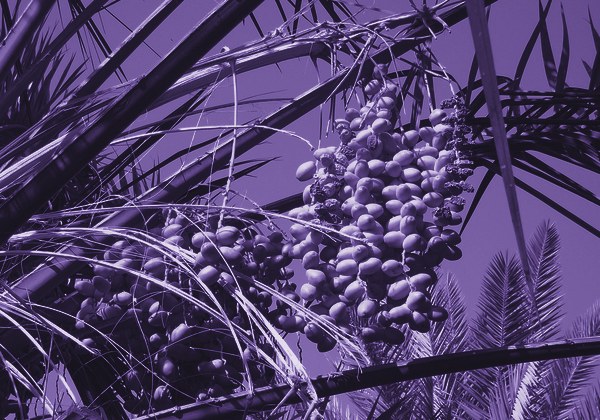
Agriculture is Madinah’s fastest-growing sector, up 44 percent in a year by the local chamber’s count. The detail that matters sits in the factory column: the region’s date plants handle far more fruit than its own orchards produce.
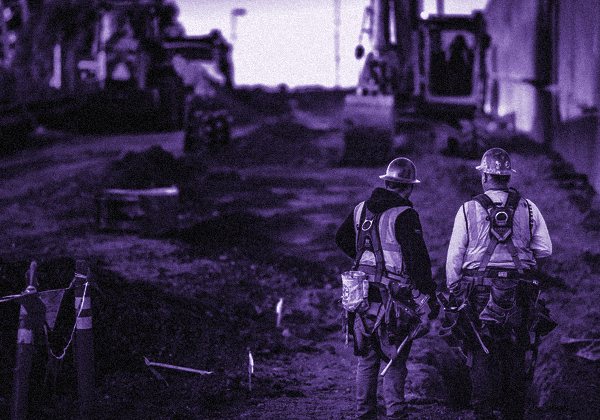
The Human Resources Development Fund put SR4.9 billion behind 329,000 Saudi hires in the first half of 2026, a 23 percent rise. Beside the year’s localization mandates runs the machinery that helps employers pay for them.
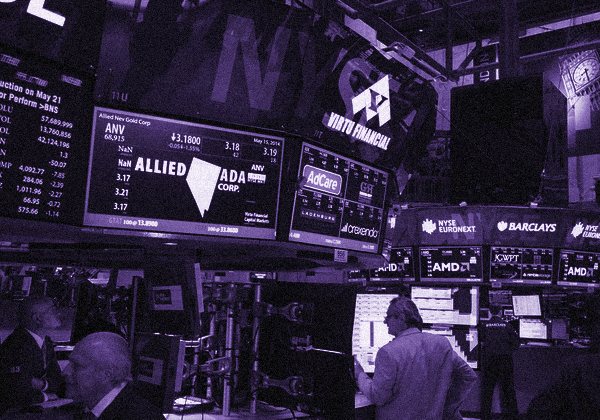
US filings gave two readings of the Saudi Central Bank’s book abroad in a single week: Treasury holdings up 9 percent in a year to $142.5 billion, and an equity portfolio that grew 61 percent in a quarter, most of it pointed at the hardware of AI.
The Public Investment Fund’s 2025 annual report puts revenue at $120 billion, net profit at $17 billion and assets under management above $900 billion, with 80 percent of assets held inside the Kingdom. The next phase it describes is consolidation around six domestic ecosystems.
From February 14, 2027, project management directors, engineers and specialists in the private sector must be 70 percent Saudi. After procurement, sales and tourism, localization has reached the professions that run the Kingdom’s project economy.
The Royal Commission for Riyadh City opened applications for the second year of its residential land program: up to 40,000 plots a year at no more than SR1,500 per square meter, allocated by draw. The capital’s land market now has a standing, state-run competitor.
Nine listed petrochemical producers cut combined first-half losses to SR1.7 billion from SR3.4 billion a year earlier. The recovery is real but uneven, and the largest single improvement owes more to charges not repeated than to margins restored.
Expo 2030 Riyadh targets 42 million visits from 197 invited countries, with at least 95 percent of the site to be repurposed after closing. Four years out, the fair is best read as a district of the capital delivered on a deadline.
Al-Rabwa’s date season opens in Riyadh as Buraidah’s carnival reports 2.1 million kilograms sold in a week, with daily freight to all 13 regions and air cargo to more than 70 countries. The harvest has acquired a logistics business.
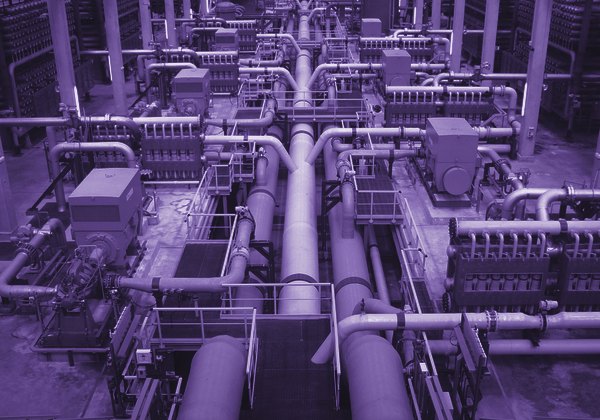
ACWA Power signed a $400 million agreement with Indonesia’s PT Garam for the country’s first utility-scale plant to combine seawater desalination with industrial salt production. The capacity the Kingdom built for its own coast is becoming a product line abroad.
Consumer inflation held at 1.8 percent in July, the lowest in the Gulf, while producer prices rose 8.5 percent in June. The gap between the two numbers is structural, and it shows where Saudi price management operates.
The World Bank counts Saudi Arabia among the top ten countries for private AI investment, with data center capacity up nearly sevenfold since 2021 and a technology workforce of 426,000. The ranking measures inputs.
The Saudi Contractors Authority counts 1,648 foreign firms in the market and SR3 trillion of projects coming over three years, while local content rules pass half of government procurement. Import capacity, keep the value at home.
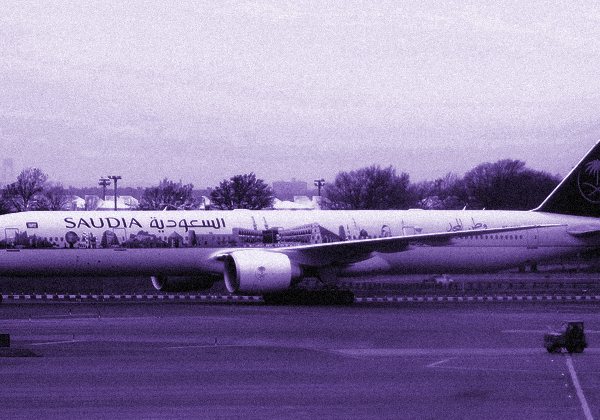
Flyadeal opens five weekly Riyadh to Mumbai flights from October 3, weeks after Riyadh Air began daily service on the route. A deliberate split of the fare ladder keeps India traffic on Saudi metal.
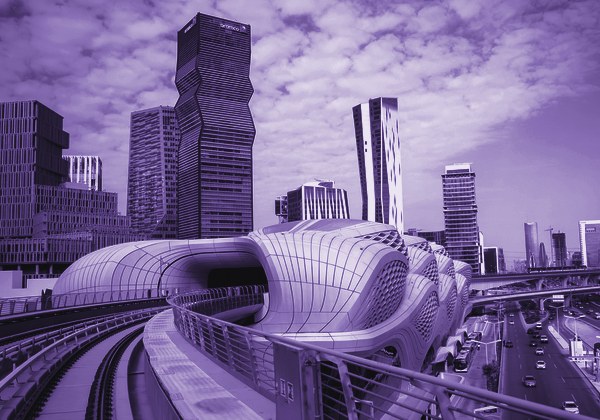
Saudi rail carried 83 million passengers in the first half, up 16 percent, and nearly three of every four journeys were on the Riyadh Metro. A network built around pilgrims and minerals is now, by volume, a commuter system.
EY counts $46.7 billion of MENA M&A in the first half, with a second quarter that more than doubled. Saudi buyers signed the region's defining deals, and three quarters of the value sat above half a billion dollars.
Cirium ranked Saudia first in the world for July punctuality: 87.24 percent of 16,406 flights on schedule, a third straight month at the top, delivered through the heaviest travel weeks of the Saudi year.
Saudi startups took 62 percent of MENA venture investment in July. Debt carried more than half the month, and the state ecosystem anchored the largest checks.
Saudi developers signed nearly one billion dollars of solar and storage agreements for Syria at tariffs starting near three US cents per kilowatt-hour. The Kingdom's procurement model, not only its capital, is the export.
A third more card spending in a week, with education payments up nearly 70 percent. The central bank's weekly bulletin reads like a household calendar, and the sharpest growth is far from the big cities.
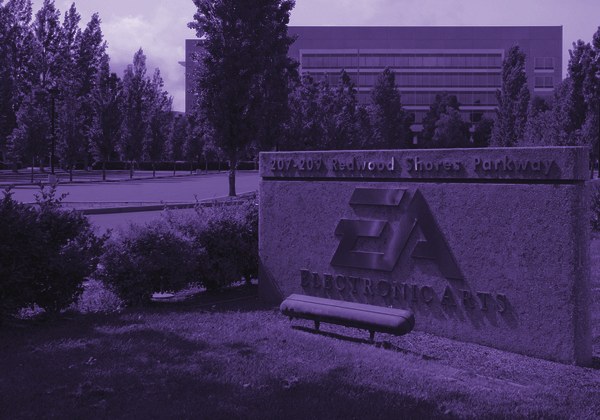
A PIF-led consortium completed its 55 billion dollar purchase of Electronic Arts at 210 dollars a share, converting a five-year minority position into ownership of one of the world's largest game publishers.
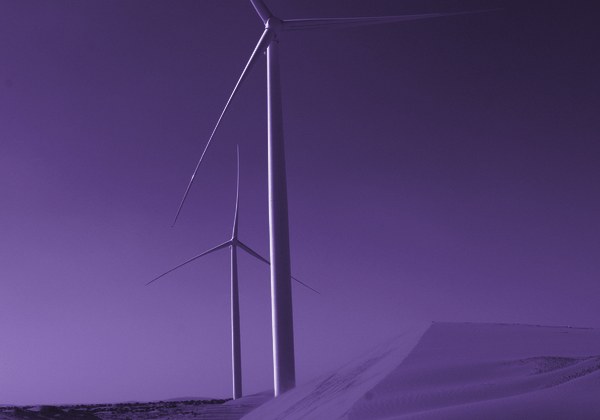
Nine turbines and 27 blades for the Starah and Shaqra wind projects landed at Yanbu, among the largest wind energy shipments a Saudi port has handled. The 15,000 megawatt program is becoming cargo, convoys and construction schedules.
Riyadh Air opens sales for a daily Riyadh to Manila service from September 9, its first Southeast Asian route, built on the largest overseas Filipino workforce anywhere and a fleet plan already committed.
Aramco earned a third more in the second quarter than a year earlier while producing roughly a quarter less. The 21.9 billion dollar base dividend held, and the quarter priced the company's redundancy: pipelines, storage and terminals carried for decades against a day like this.
July's Riyad Bank PMI held at 53.1, a fourth month of solid growth. Export orders fell a fifth straight month, so the expansion now runs almost entirely on Saudi demand, with firms paying more for staff and charging customers less.
August's Sah savings sukuk opened at a 4.70 percent fixed return, its richest round in at least four months. The ten basis points matter less than the design: a monthly state product teaching a consumption economy to save, 1,000 riyals at a time.
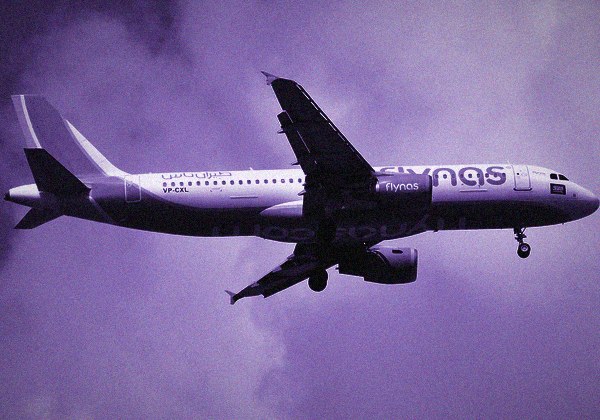
flynas restored the first direct Riyadh link to Syria's second city since 2012. Behind the modest schedule sit 24 weekly Damascus frequencies, a 25-aircraft order and a joint-venture airline planned inside Syria before year end.
GASTAT's flash estimate puts second-quarter GDP down 4.8 percent, nearly all of it oil volume lost to the closed strait. Non-oil activity kept growing through a war quarter, and prices did what volumes could not.
A PIF company has placed more than 25 Saudi brands inside Selfridges for six weeks. The showcase tests which Saudi consumer products can hold a foreign shelf at full price.

Veolia's Tahwil plant treats up to 121,000 tonnes of hazardous waste a year in PlasChem Park and returns the heat as steam. Disposal capacity reads as an environmental story and functions as industrial recruitment.
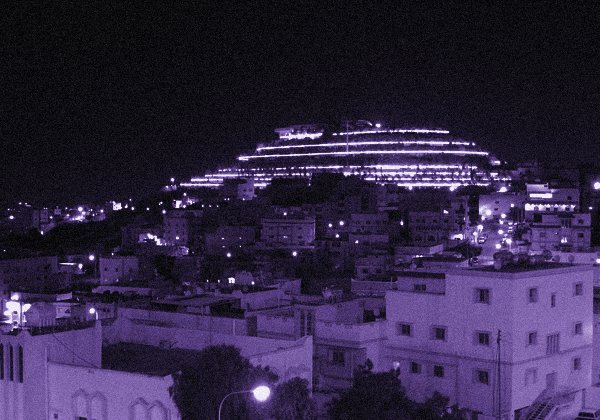
More than 500 farms and 1,000 tonnes a year: the production system behind the highland grape harvest.
Brent recovered most of a 14 percent slide within hours of Tehran ruling out the Omani plan for Hormuz. For the Kingdom, the week's numbers land in three ledgers: the price of its crude, the insurability of its shipping, and a repair date at Jizan.
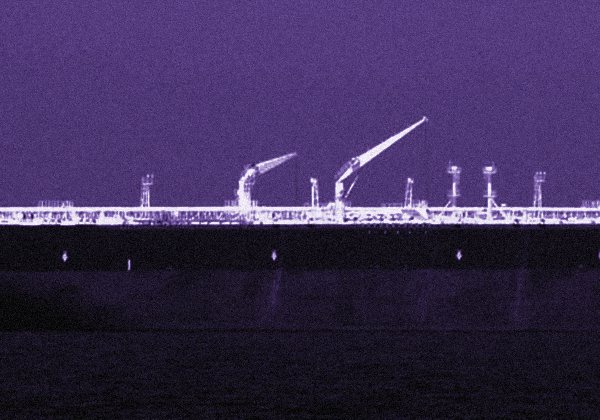
Oman presents Iran with a Gulf-backed plan to reopen Hormuz under joint management, funded by voluntary contributions on the Malacca model. A voluntary fee can be insured. A toll cannot.
Brent fell as much as 7 percent as the US-Iran pause held, while eleven vessels moved through Bab el-Mandeb, the fewest in months. The futures market is pricing the diplomacy. The water is still pricing the war.
Lloyd's market underwriters are moving from pricing Saudi voyages to excluding them. The touchpoint standard reaches further than a missile can fly.
War risk premiums run from 0.1 percent at Yanbu to 3 percent off Jizan. Underwriters have priced a partial blockade.
The hard commitment in aviation, made through a regional conflict.
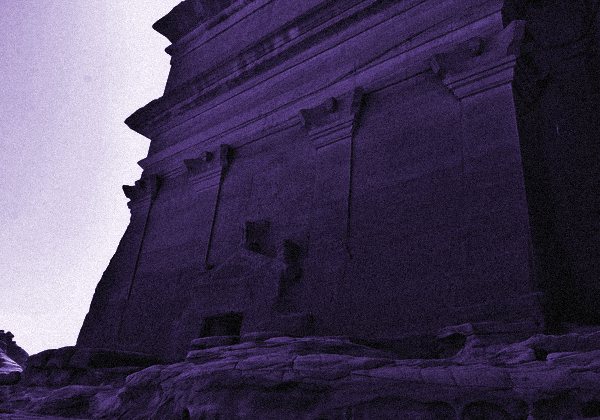
Eco-tourism and conservation, on the state-defines, private-operates model.
The only GCC market with net foreign buying in the second quarter of 2026.
117,691 licensed brokers and 1.11 million recorded contracts since the Brokerage Law.
A quarterly measure of the demand side of the housing program.
A+ affirmed with a stable outlook. The same report forecasts 0.6 percent growth and a widening 2027 deficit.
Eighteen student projects close the camp as the district's cultural venues continue construction.
Twenty years after opening a branch office, Deutsche Bank now runs its regional business from Riyadh.
The national carrier launches expanded Red Sea connectivity from Wednesday, matching a surge in hotel occupancy across the destination.
FII10 convenes from October 26, the first edition since PIF's strategy shift invited private capital into the delivery role.
Active commercial registrations reached 1,918,512, extending a multi-year expansion in private enterprise formation.
Saudi Arabia's $909 billion sovereign wealth fund restructures around three portfolios and explicitly shifts from state-led development to private sector delivery.
Three distinct trajectories have emerged. Diriyah holds a $14.5 billion pipeline. Qiddiya is locked to the 2034 World Cup. NEOM restructures around its industrial zone.
The Real Estate Development Fund launches an alternative financing instrument targeting citizens who do not qualify under standard bank lending criteria.
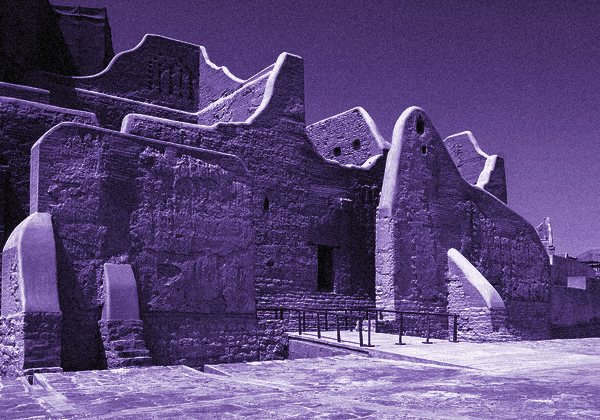
The contract delivers 77,000 square meters of cultural space at the UNESCO-listed Diriyah site, awarded to Albawani and Hassan Allam Construction.