Policy
Saudi government policy, legislation, and institutional reform coverage.
Saudi air defenses intercepted two ballistic missiles and a string of drones across five regions at the weekend, with alerts lifted within minutes and no casualties reported from the intercepts.
The 12th Riyadh Economic Forum closed with a proposal for a national center to test whether legislation delivers what it promises, backed by a study that rated political will the smallest gap in the system.
GACA extended the suspension at King Khalid International while safety checks are completed, after a Sunday strike on Terminal 4 killed one person and King Fahd International in Dammam was targeted.
GACA put the toll of Saturday’s attack on King Khalid International Airport at 12 killed and 309 injured: four Saudis and travelers from seven other countries. The coalition called the strike a war crime and pledged a firm response.
The 12th Riyadh Economic Forum opens Monday under King Salman’s patronage with five commissioned studies: congestion, knowledge localization, smart agriculture, legislation and the economics of hosting global events.
The economic council reviewed 2025 annual reports for two flagship programs: Quality of Life beat its local-content target, and Citizen Account transfers reached SR262 billion since 2017.
The Kingdom hosts the second EU-GCC summit in Riyadh on October 24, with King Salman’s invitations delivered across the Gulf and the opening of a Schengen visa-waiver process expected on the agenda.
GACA confirmed three deaths and 36 injuries in attacks on King Khalid and Abha airports. Within a day the coalition answered with strikes on 82 targets, and the reserved tense of the season’s statements moved to the past tense.
Coalition air defenses intercepted three ballistic missiles and four drones aimed at Khamis Mushait before dawn on Friday. Falling debris injured a resident in Ahad Rafidah, and a projectile damaged a school in Najran, Civil Defense said.
The coalition confirmed a Houthi drone disabled a transformer at the Taiba station in Madinah, part of the network supplying the Prophet’s Mosque. Power held, the south intercepted a salvo the same day, and condemnation came from across the Muslim world.
Coalition air defenses destroyed six ballistic missiles fired at Taif and Yanbu in a single engagement, with no casualties reported. The volume is the message, in both directions.
Air defenses destroyed a ballistic missile fired toward Riyadh, the first attack to put the capital under alert in this cycle. The coalition confirmed no casualties and no damage.
King Faisal Specialist Hospital used one donor heart to treat two children, a regional first. Technique is the fastest multiplier of the scarcest resource in medicine.
The UNESCO AI ethics forum closed its Riyadh run with SDAIA issuing ethics badges to more than 20 companies and credentials to 52 professionals. Certification systems outlast conferences.
Crown Prince Mohammed bin Salman spent Tuesday in Cairo at King Salman’s direction, his second meeting with President El-Sisi in seven months. The format, hours not days, is the signal: an alignment maintained, not renegotiated.
Missile and drone attacks injured 13 people in Khamis Mushait, Abha and Taif on Monday, and by Tuesday morning Civil Defense alerts stood in six cities from Jazan to Yanbu. The published map is the Kingdom’s own reading of the week.
The Ministry of Energy shut the East-West Pipeline as a precaution after drone attacks launched from Iraqi territory, and the Foreign Ministry gave Baghdad the first move. The restraint is a policy, not a pause.
Prince Faisal bin Farhan represented the Crown Prince at the 18th BRICS summit in New Delhi. The Kingdom attends as an invited country, and the label is the policy.
The Ministry of Tourism rewrote four licensing regulations in one pass, moving home rentals from permits to licenses and letting guides sell directly across regions. The rules are catching up with the sector the Kingdom actually has.
The SFDA authorized the first Saudi-developed AI diagnostic software in dentistry and ophthalmology, cleared as clinical aids with the clinician’s judgment kept central. The route to market matters more than either product.
The Cabinet approved a Saudi marine war-risks insurance pool, supervised by the Insurance Authority and led by Saudi Re. The pricing of the Kingdom’s trade risk is moving onshore.
The cabinet has endorsed the new foreign-ministry strategic dialogue with Germany, converting a Berlin signing into standing machinery. The Kingdom’s European diplomacy increasingly runs on institutions rather than occasions.
Missile and drone attacks struck civilian and energy sites in four southern cities before dawn on Tuesday, wounding 73 people and halting some energy operations. The Kingdom answered in three registers: procedural, military and diplomatic. The market added a fourth, closing higher.
The Council of Economic and Development Affairs worked through a quarter of Vision 2030 data on Sunday. One line moves ten health clusters to a holding company and leaves the ministry regulating a system it no longer runs.
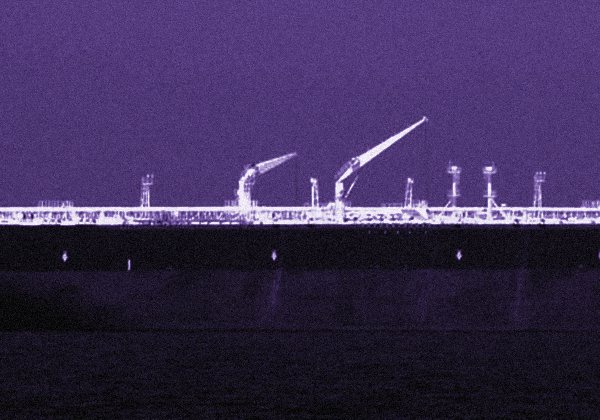
Bahri confirmed that two of the tanker Sidr’s crew were killed in Monday’s attack in the Strait of Hormuz. The Foreign Ministry named Iran and, in the same statement, called for a return to negotiations. Each piece is deliberate.

62 government entities finished integrating their services into Tawakkalna, putting 926 services behind one national front door and closing the 2026 plan at 100 percent. A published scoreboard for the machinery of the state.
LEAP’s first day closed with more than $15 billion announced and something scarcer: dates. Microsoft’s Saudi cloud region opens in November, Amazon’s in December, and the AI buildout now has a schedule it can be measured against.
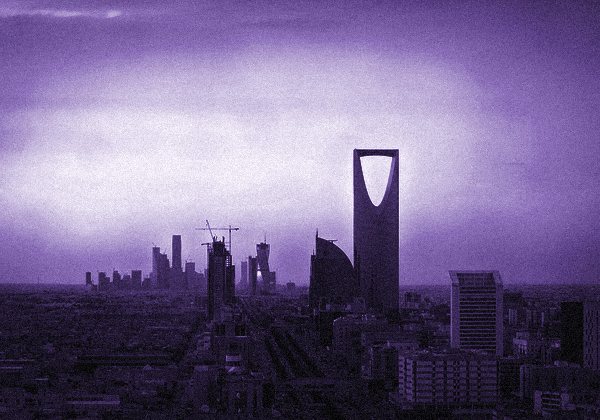
LEAP 2026 opened in Riyadh with a changed pitch. For four editions the conference measured the Kingdom’s progress by the capital it attracted; the fifth is organized around the claim that Saudi Arabia has begun selling technology, not only buying it.
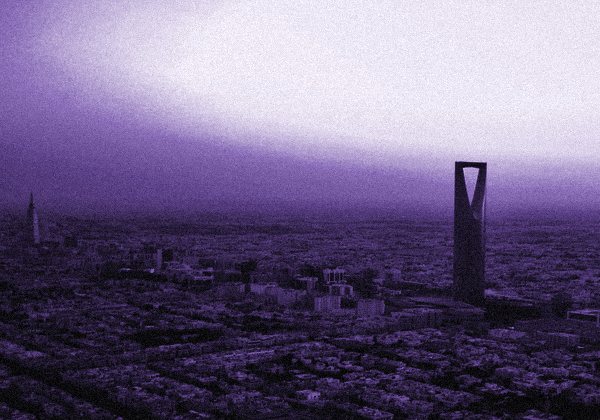
Three weeks after the Makkah Joint Defence Agreement was signed, senior Saudi ministers met Turkish and Pakistani counterparts in Istanbul for the first meeting of the pact’s political and defense committee. Treaties are signed in a day; institutions are the longer project.
The Riyadh-based Digital Cooperation Organization approved eight new member states, growing to 24 countries and roughly 980 million people. What it offers is a seat where the rules of the digital economy are drafted, and the table sits in Riyadh.
Two memorandums signed in Damascus put Saudi transport planners to work on Syria’s broken road and rail networks. The Kingdom committed capital first; the goods now need a way to move.

The first Strategic Partnership Council session closed in Paris with 21 agreements, a $5 billion export-credit framework and a Saudi entertainment district planned for Cergy-Pontoise. The capital now moves both ways.
Crown Prince Mohammed bin Salman travels to France on Sunday for a two-day visit that convenes the Franco-Saudi Strategic Partnership Council for the first time. The machinery matters more than the photographs.
King Salman reconstituted the Council of Ministers for a new four-year term with every minister retained, and moved exactly two chairmanships: the capital markets regulator and the local content authority. The names that did not change are the message.
The Defense Ministry says the Multinational Maritime Defense Coalition has finalized the arrangements to activate its command structure: a Saudi commander, a Pakistani first deputy, a designated headquarters and 13 states past accession.

Crown Prince Mohammed bin Salman signed a joint defense agreement with Türkiye and Pakistan in Makkah that treats an armed attack on any of the three states as an attack on all. The Kingdom’s deterrence is now written into treaty text with more than one capital.
Crown Prince Mohammed bin Salman telephoned President Trump a day after Washington suspended strikes on Iran and said the parameters of a deal were in place. The Saudi readout used a narrower word: truce.
Forty-three chiefs of staff came to Riyadh and fourteen states signed: a Multinational Maritime Defense Coalition, headquartered in the Kingdom, scoped to the Red Sea, Bab al-Mandab and the Gulf of Aden. The membership is a map, and so is what it leaves out.
Hours after Saudi aircraft flew their first joint strike mission with US Central Command, Defense Minister Prince Khalid bin Salman was at the White House carrying the Crown Prince's message, and a procurement file with a deadline built in.
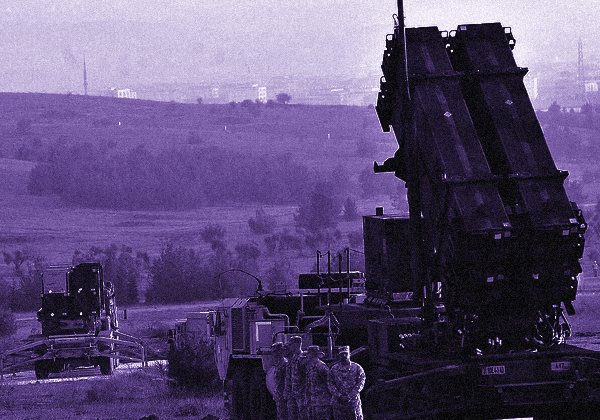
A renewed drone wave at Eastern Province oil facilities was intercepted within a day of the joint strikes. Gulf capitals answered with statements, the militias with a deadline, Washington with its heaviest strikes on Iran of the war.
Saudi fighter aircraft struck militia logistics and weapons sites across Iraq in coordination with US Central Command, the Kingdom's first strikes on Iraqi territory in this war and its first flown inside an American strike package.
Air defenses intercepted drones launched from Iraq at oil facilities in the Eastern Province and Riyadh, the first attacks to arrive from the north in this phase of the war.

Houthi missiles and drones reached Aramco sites at Jizan and Yanbu, the first attack on Saudi oil infrastructure in this war. It did not interrupt Washington's pause in strikes on Iran.
The coalition's strikes on Hodeidah are the first Saudi military response to the Houthi maritime campaign, a day after Washington promised to make the next attack an American matter.
A 30-year civil nuclear agreement, announced Wednesday, was tied to normalization with Israel by Thursday. A technical file is now the region's largest political negotiation.
Washington ties the next Houthi attack to Iran itself. Protection for the corridor arrives with automaticity attached.
Houthi missiles struck a Saudi tanker on the Red Sea export route. Pricing, protection, and tanker counts decide what comes next.
A declaration is not enforcement, but insurers and shippers price both.
Humanitarian conditions and the diplomatic track, kept on the active agenda.
Alerts, intercepts and an all-clear. The choice of cities is the story.
One week contained the entire security posture in miniature: intercepts, a joint condemnation, and a mediation call.
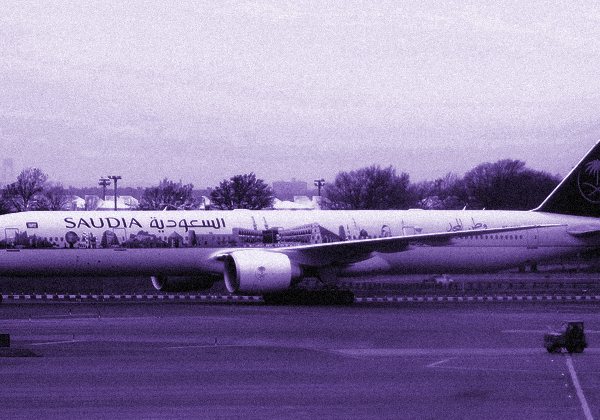
A humanitarian welcome days after air defenses intercepted missiles launched from Yemen.
Coordination with Doha and Tehran on de-escalation mediation, and a separate call with Washington on shipping security.
Two diplomatic tracks in parallel: the Ukraine channel and intensive Gulf coordination through the current regional escalation.
The cabinet characterized Iran's conduct as a violation of international law and the UN Charter, while welcoming Iraq's pledge not to allow its territory to be used against Saudi Arabia.
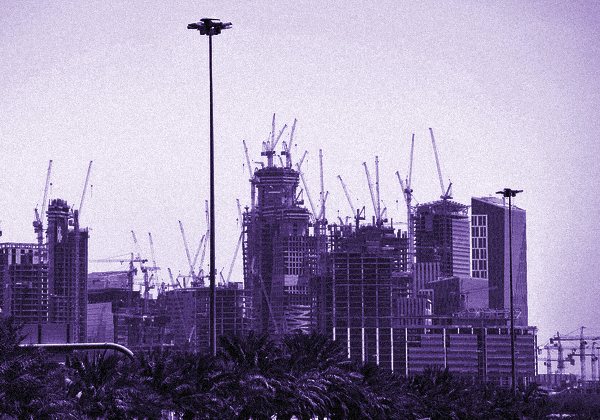
Finance Minister Al-Jadaan framed the reform as long-term governance infrastructure strengthening how government entities estimate revenues and raise compliance.
A binding methodology for all public and private entities to identify, assess, treat and monitor AI risks, tied to the Kingdom's Year of Artificial Intelligence.
The Ministry issued a formal warning as part of broader enforcement communications addressing visa overstay violations applicable to all non-Saudi residents.