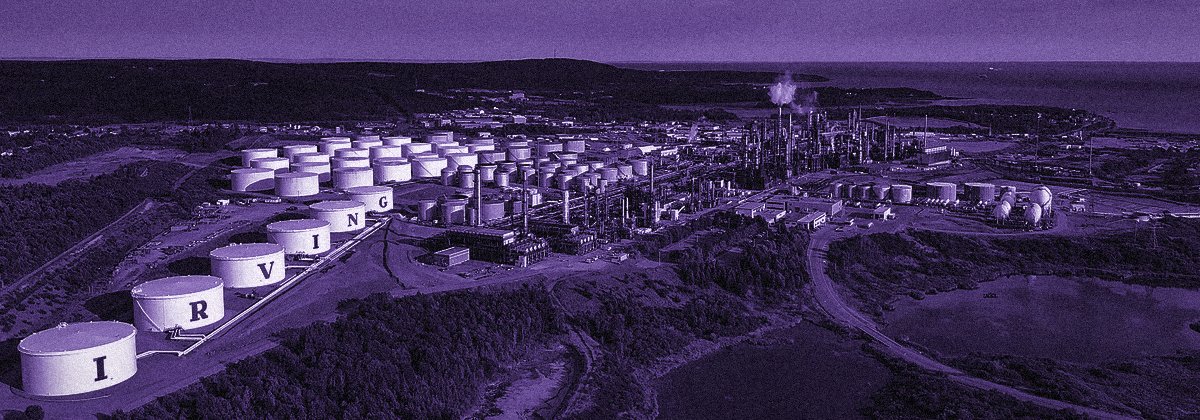
Arabian Drilling has signed a contract worth close to SR2 billion ($533 million) with Al-Khafji Joint Operations for four high specification offshore jack-up rigs over four years, the company disclosed this week. The award lifts the Saudi contractor’s backlog to about SR18 billion, its highest level, and amounts to a 200 percent increase in the rigs it operates for KJO. Revenue begins to flow at the end of the fourth quarter.
KJO is the operating company for the offshore fields of the partitioned zone the Kingdom shares with Kuwait, owned in equal halves by Saudi Aramco’s Gulf operations arm and Kuwait Gulf Oil Co. Its activity level is set by two governments rather than one, which makes a four year rig commitment on this scale a statement of shared intent: sustained offshore drilling at Khafji, planned years ahead and procured from a Saudi listed contractor.
The order continues a run. In August the company signed roughly SR2 billion of work with SLB covering eight rigs, and its backlog stood near SR16 billion in mid September. The KJO award takes the book to SR18 billion and shifts its composition toward offshore work, longer tenors and joint venture clients. Chief executive Fahad Albani called the award a strategic expansion of the offshore business, and the market read it that way: the shares rose 4.6 percent Tuesday, among the few gainers in a session where 251 stocks declined.
Drilling contracts are the earliest public reading of upstream spending. Operators book rigs before they produce barrels, and they book them for as long as they expect the work to last. A four year tenor, for four rigs, in one field, is a forward curve of sorts: it prices sustained activity at Khafji through the end of the decade, whatever any single year brings.
The award also extends a pattern in which listed Saudi service companies capture order flow that once went to international fleets. Arabian Drilling’s book has been assembled from Aramco land renewals, the SLB agreement and now joint venture offshore work, and September’s exchange disclosures ran the same direction, with pipe makers East Pipes and Saudi Steel Pipe booking Aramco purchase orders in the same month. The order flow of the upstream sector is consolidating onshore, in riyals, on the Saudi exchange, where its scale has become legible quarter by quarter in a way it never was when the work sat inside foreign contractors’ consolidated accounts.
What to watch is the fourth quarter print, where the contract’s first revenue lands and the backlog’s offshore share becomes visible, and whether KJO tenders further capacity. The order book has added about SR2 billion since mid September. At a record SR18 billion, the question that matters for the sector is no longer where the work comes from but whether rigs, crews and yards can be mobilized as fast as it arrives.