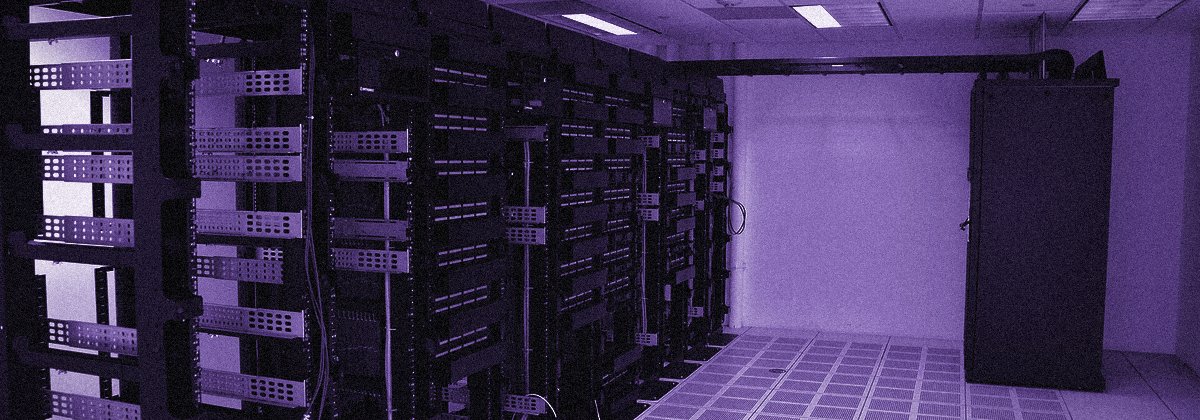
The financing for the Kingdom’s data center buildout is acquiring a new instrument. HUMAIN, the Public Investment Fund’s AI company, plans to raise an initial $2.5 billion from global and domestic investors for a fund dedicated to financing data center capacity in Saudi Arabia, Bloomberg reported this week. BSF Capital, the investment banking arm of Banque Saudi Fransi, will manage the vehicle and will seek authorization from the Capital Market Authority, a process expected to take two to three months. The fund will combine debt and equity, and its first assignment is specific: the 250 megawatts of capacity HUMAIN is building in partnership with Al Moammar Information Systems, with room to scale toward a gigawatt.
Tareq Amin, HUMAIN’s chief executive, had flagged the fund during LEAP week without attaching a number. The number arrived within days, and it completes a sequence that has run through this publication for a week. LEAP closed Thursday with nearly $15 billion in announced commitments, most of them measured in megawatts. The sovereign and two banks then raised about $4.6 billion in dollar sukuk inside five days, capital that ultimately supports the same expansion. The fund is the third piece: a regulated wrapper that lets institutions own the megawatts directly rather than lend to the companies building them.
That distinction matters more than the headline figure. Until now the buildout has run on balance sheets. HUMAIN draws on its shareholder; the contractors draw on bank credit; the banks, as July’s monetary data showed, are funding loan growth with term deposits and capital instruments because cheap deposits no longer cover it. Every riyal of data center construction has been intermediated through an institution that must hold it. A fund changes the plumbing. Construction assets move off corporate balance sheets and into portfolios, the institutions recover their lending capacity, and the next project can start without waiting for the last one to be repaid.
The choice of manager is its own signal. HUMAIN could have taken this mandate to an international infrastructure house; pooling investor money against contracted digital infrastructure is a well-established model abroad. Instead the fund will be structured in Riyadh, managed by a Saudi bank’s investment arm, and authorized by the domestic regulator. The fee income, the structuring expertise and the precedent stay onshore. A kingdom that intends to finance a gigawatt of capacity by 2030 needs a class of local managers who have done this before, and the first fund is how that class gets its first repetition.
The timing works in the fund’s favor. Two to three months of regulatory process puts a launch near the end of the year, which is when the capacity story stops being prospective. Microsoft’s Azure region is due in November, AWS in December, and the contract that anchors the 250 megawatts is expected to be signed with Al Moammar this month. By the time investors are asked to commit, the fund will be raising against contracted capacity with named counterparties, not against renderings. Colocation agreements produce the long, contracted cash flows that pension funds and insurers buy in toll roads and power plants. Presenting Saudi compute in that familiar shape is the point.
The open question is who subscribes. A fund marketed to global investors is a test the announcements at LEAP never had to pass: outside capital pricing the buildout’s economics with its own money. Strong foreign participation would say the megawatt pipeline reads as infrastructure. A book filled mostly at home would say the market still treats it as a national project, financed by the institutions closest to it. Either answer is information, and the next vehicle will be priced on it.
The filing with the Capital Market Authority comes first, and with it the details that decide the outcome: the split between debt and equity, the anchor commitments, and the terms on which the 250 megawatts earn their revenue. If the structure holds, it is unlikely to stop at servers. Power, cooling and fiber sit beside compute in the same buildout and throw off the same kind of cash flow. The first fund is for data centers. The template is for the rest.