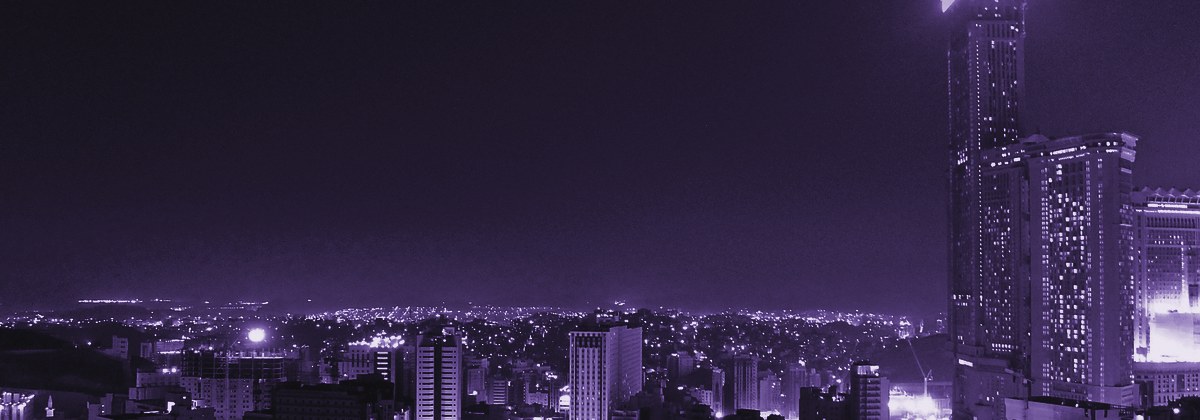
The Royal Commission for Makkah City and Holy Sites opened two road links at the weekend: a 1.5 kilometer section of the Third Ring Road connecting the Prince Mutib and Grand Mosque intersections by way of the Prince Sultan intersection, and the final section of Prince Saud Al-Faisal Road, which ties the Prince Mohammed bin Salman axis to Abdulqadir Koshak Street through the Prince Naif bin Abdulaziz intersection. The commission says travel times on the affected routes fall by more than 90 percent.
A 90 percent figure describes rerouting, not faster driving. Trips that previously had no alternative to the dense streets around the central district can now go around them, and the arithmetic of a ring system means the value of a short link is the network it closes. A missing kilometer and a half forces traffic through the core. The completed segment lets it circulate.
Makkah’s capacity question has always been a circulation question. The Grand Mosque’s successive expansions raised what the destination itself can hold; the streets around it decide how many people can actually reach it, leave it and be somewhere else in the city in between. The commission framed the openings in exactly those terms: easing congestion, improving safety and streamlining access for residents, visitors and pilgrims through the Hajj and Umrah seasons.
The openings also mark the visible end of a long build. The Third Ring Road has been under construction for more than a decade; a contract worth close to SR2 billion was let in 2012 under the King Abdullah Project for the Development of Makkah and the Holy Sites, and by 2019 around 14 kilometers had been reported complete. What arrives now, segment by segment, is the unglamorous half of the holy city’s buildout: junctions and lane kilometers delivered years after the announcements that funded them, each one changing how the city drives the day it opens.
The timing places the openings inside a larger pattern. The same weekend these lanes opened, King Abdulaziz International Airport in Jeddah began phased operations at its reopened Terminal 4, with group check-in for Hajj and Umrah operators built into the facility. The pilgrim corridor is being widened at both ends at once: the air gateway that delivers visitors and the street grid that has to absorb them. Each investment makes the other’s targets legible. An aviation program that plans for more than 90 million passengers a year through Jeddah by 2030 is, in practice, a plan for Makkah’s roads, because most of those passengers are coming to this city.
What road capacity buys the visit economy is minutes, and minutes convert. Umrah’s growth model is frequency, more visits spread across more of the calendar rather than a single seasonal peak, and frequency is exactly what circulation improvements compound: shorter transfers make short stays viable, and viable short stays make repeat visits an economic proposition for the hotels, transport operators and retailers that live on them.
More segments remain, and the commission’s cadence of openings is the number to follow. The grid’s first real test arrives with the winter Umrah season and then Ramadan, when the city runs at design load. The measure of a 1.5 kilometer road is what it does on the year’s heaviest night.