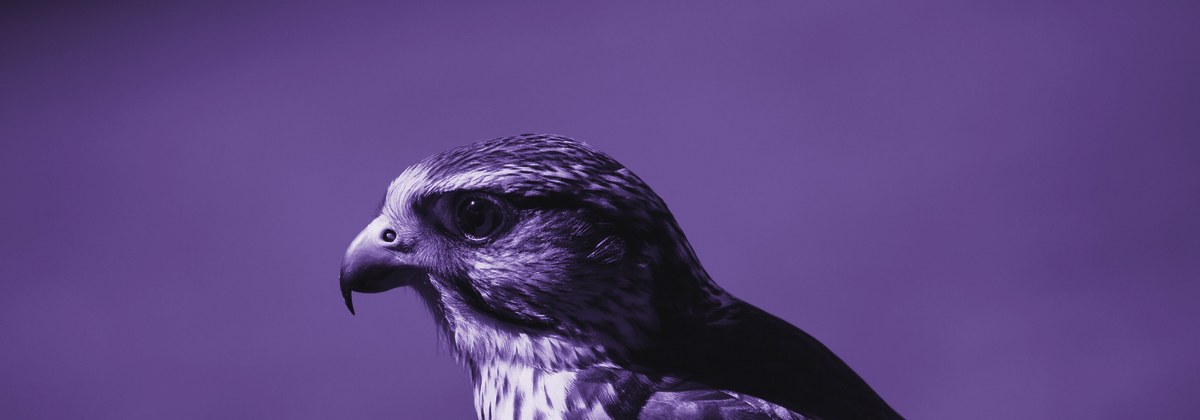
The Saudi falcon season has its number. On the fifth night of the Mongolian falcon auction at the International Saudi Falcons and Hunting Exhibition at Malham, north of Riyadh, a juvenile saker sold for SR1.4 million, about $373,000, after bidding opened at SR100,000. The Saudi Press Agency called it the highest price in the Mongolian auction’s history. Two other young sakers sold the same evening for SR151,000 and SR100,000, closing the night at SR1.651 million as the exhibition headed into its Saturday finish.
The distance between the record bird and the rest of the room carries most of the information. A fourteen-fold run from the opening bid, in a session where the other lots cleared at a tenth of the final hammer, describes two or more buyers who had decided in advance that this particular falcon was worth contesting. Auctions of this kind are settled before the bidding starts, in the inspection of wingspan, plumage and condition that tells a practiced eye which bird in the catalogue is the one.
What makes the price unusual is the bird’s age. When the same auction opened its card earlier this month, the benchmark was set by an adult: SR400,000 for a proven saker, with a young bird alongside it at SR150,000. That ordering is the conventional one, since an adult carries evidence and a juvenile carries only promise. A juvenile at three and a half times the adult benchmark inverts it. Buyers at the top of the import market are now paying proven-bird money for potential, which is what happens in any market where supply of the most prized type runs short of the demand gathered in the room.
The record also lands in a particular channel, and the distinction matters for reading it. The Malham floor trades imported and captive-bred falcons, available immediately and sold in an evening. The National Center for Falcons’ wild-bird auction, in its seventh edition and open through 30 November, handles migratory juvenile peregrines trapped inside the Kingdom under license, and its results arrive bird by bird across two months. Last season that channel sold 40 falcons at an average near SR160,000. The import floor has now printed a price nearly nine times that average, before the main wild harvest has reached the market at all.
Behind the single sale sits a trade corridor older than the exhibition. Saudi falconers have imported sakers from Mongolia since the 1990s, and the exhibition has given the Mongolian birds a dedicated section for a second consecutive year, which converts an informal supply line into a scheduled, catalogued market with a published record to beat. A closing-night record is also an advertisement: every breeder and trapper on the corridor now knows what the top of the Saudi market paid in October, and next season’s consignments will be assembled accordingly.
The exhibition closes with the season’s wider machinery still running. Last year’s edition drew more than 700,000 visitors and recorded over SR91 million in sales of equipment, vehicles and outdoor supplies, by the organizers’ count, and the racing card at Melwah has already run its heats. The wild auction continues for seven more weeks, and its bird-by-bird results are now the thing to watch. Last season the domestic channel carried a documented premium for proven wild peregrines. Whether that premium survives a published SR1.4 million ceiling set by an imported juvenile, or is repriced by it, is the question the hammer left open on its way down.