The Kingdom’s longest-running international competition set three records in a single opening week. The 46th King Abdulaziz International Competition for the Holy Qur’an convened in Makkah on Thursday with 334 contestants from 133 countries, the biggest field since the event was founded more than four decades ago. The prize purse, at SR10.26 million ($2.74 million), is the largest in its history. And for the first time, women are competing in a standalone contest, with their own jury, venue and closing ceremony. An institution old enough to be taken for granted is instead being enlarged.
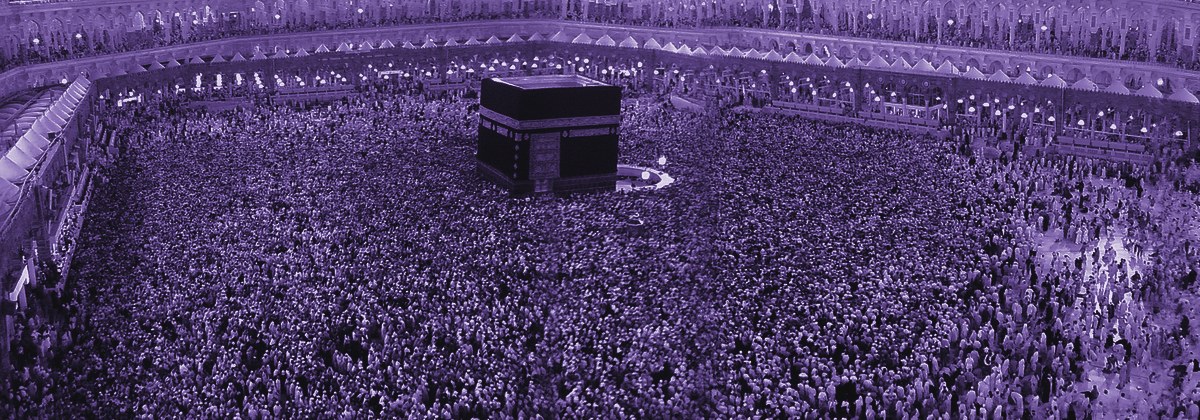
The format rewards depth over spectacle. Contestants compete across five branches, from memorization of the entire Qur’an with multiple canonical readings down to five consecutive parts, and the final rounds for the men’s divisions are held inside the Grand Mosque itself. The event runs to August 19 under the patronage of King Salman and the administration of the Ministry of Islamic Affairs. Last edition’s first prize went to a reciter from Chad, a detail that says something accurate about the competition’s center of gravity: the field is genuinely global, and the podium follows the field.
The women’s division is the structural change. King Salman approved its addition in July, and its first edition now runs in parallel with its own closing ceremony at a Makkah convention venue. The design follows the competition’s religious setting, with separate adjudication and separate staging, and it converts a longstanding absence into a category with its own champions. It also fits a wider pattern. Across fields as different as sport, aviation and the judiciary, participation reforms in the Kingdom have tended to arrive the same way: a new track built inside an existing institution, which then normalizes quickly. Reciters who compete this month become the precedent the next edition inherits.
Soft Power, Measured Annually
What 133 countries means deserves precision. Few cultural programs anywhere assemble participants from two thirds of the world’s states in one city in one month; fewer still do it every year and have done so for four decades. The competition operates as a form of religious diplomacy that no ministry of investment could purchase. Contestants prepare for years, arrive as guests of the Kingdom, compete inside Islam’s holiest site and return home as alumni of Makkah. The rising purse is the visible edge of that logic: prize money has grown into a signal of how seriously the state takes an event that costs little by the standards of its cultural budget and reaches audiences most programs cannot.
The record field also sits on top of physical capacity. The same infrastructure that moves millions of pilgrims through Makkah, the expanded Grand Mosque, the hotel stock, the transport links, is what allows a 334-contestant, 14-day competition with international juries to run as routine. The competition’s growth tracks the city’s. Each expansion of the pilgrim economy widens what the Kingdom can convene alongside it.
The dates to watch are near. Winners are announced at the closing ceremonies on August 19, and the geography of the podium, particularly in the first women’s division, will be read closely across the Muslim world. Further out, the questions are institutional: whether the women’s contest becomes a permanent fixture with the same visibility as the men’s, and whether this year’s field is a ceiling or a new floor. The competition’s four-decade record suggests the second. Institutions that survive forty-six editions tend to grow by accretion, and this edition added more than most.