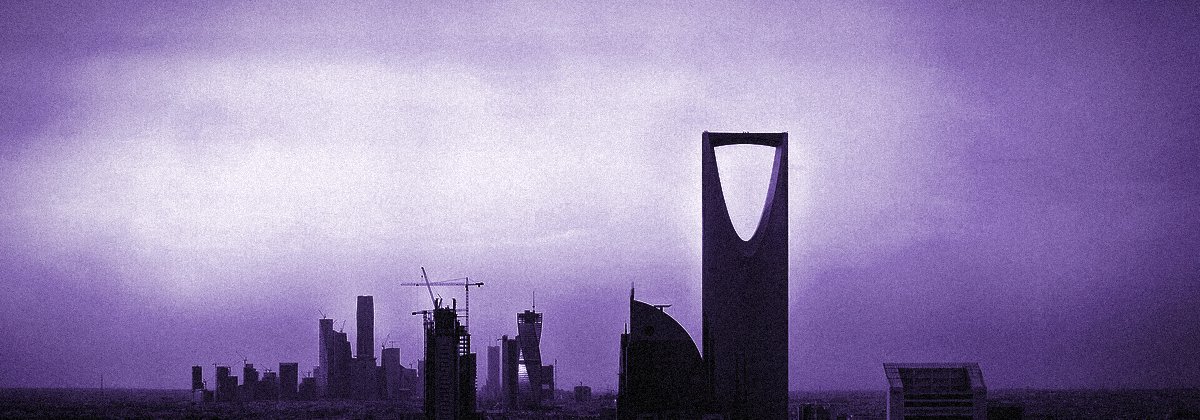
Turki Alalshikh, chairman of the General Entertainment Authority, announced at the weekend that Riyadh Season opens its seventh edition on Wednesday, 21 October, under the theme Big Time. The announced program runs ten weeks. The zones are the established ones: Boulevard World and Boulevard City return, joined by Wonder Garden, The Groves, the Farmers’ Market and the Ana Arabia exhibition at VIA Riyadh. The calendar carries boxing and wrestling cards, UFC bouts, the Six Kings Slam tennis exhibition, concerts, theatre, comedy and family programming.
The number that frames the announcement arrived in February, when the authority closed the sixth edition at 17 million visits, accumulated between October 2025 and the winter’s end. That makes Riyadh Season, for roughly a third of the year, the largest single organizer of foot traffic in the Kingdom, and its opening date something more than entertainment news. Hotels price around it, retailers staff around it, and the capital’s restaurants build their strongest quarter on it.
The card-spending data shows the season working as a calendar anchor before a single gate opens. In the Saudi Central Bank’s weekly point-of-sale prints through September, hotel spending firmed while most categories softened with the end of the back-to-school period, the positioning that precedes the capital’s event season. Riyadh accounted for SR4.66 billion of SR12.92 billion in national card spending in the week to 19 September, about 36 percent of the country’s total. Ten weeks of programming aimed at visitors is, among other things, an instrument for widening that share.
The announced window is the detail worth reading twice. Ten weeks from 21 October runs to the turn of the year; the sixth edition opened in October 2025 and was still counting visitors in February. Whether the seventh closes earlier or extends the way its predecessors did, the announced core is more concentrated: the same zones and franchises loaded into a denser stretch, with correspondingly heavier peak demands on the rooms, roads and flights that serve them. Concentration favors intensity over duration, and it raises the premium on the infrastructure questions the Kingdom has been answering all month, from airport capacity to hotel supply.
The opening also lands in a month that has quietly become the Kingdom’s convention season. The Riyadh Economic Forum meets from 12 to 14 October, the World Petroleum Congress and the Global Health Exhibition follow on the capital’s autumn calendar, and the Future Investment Initiative gathers its tenth edition. Entertainment, conferences and sport now draw on the same airports, the same room stock and the same arterial roads in the same weeks. For the services economy, October is becoming what December is for retailers elsewhere: the stretch the year is judged by.
The policy logic has travelled some distance since the first edition in 2019, when the season’s plainest purpose was keeping Saudi discretionary spending at home. Seventeen million visits later, the question has changed from whether residents will spend their winters in the capital to how much demand the season can import. The chairman’s own framing pointed outward, presenting the season as reinforcement of Riyadh’s standing as a destination for major events, and the sporting calendar, from championship boxing to the Six Kings Slam, is programmed for global broadcast rather than local footfall alone.
What to watch once the gates open: the authority’s cumulative attendance milestones, which in past editions began arriving within weeks; the weekly card-spend prints from late October, where restaurants and hotels will register the step-up first; and the length of the actual run, which will show whether ten weeks is the plan or simply the opening chapter.