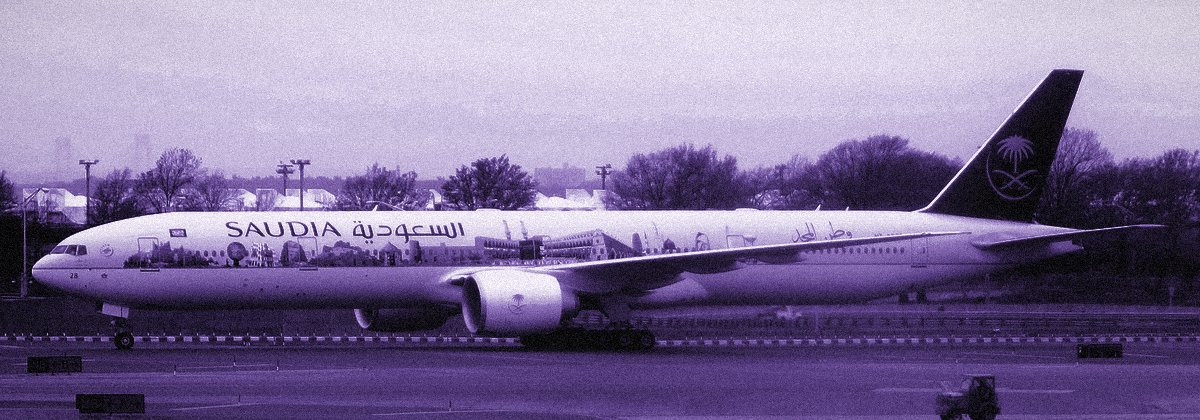
Saudia, the Kingdom's national carrier, begins operating 15 additional weekly flights to Red Sea destinations from Wednesday, a direct operational response to accelerating demand for one of the world's newest luxury and sustainable tourism regions.
The added capacity coincides with record hotel occupancy rates across the Red Sea destination, a milestone that carries more weight than a typical tourism statistic. Occupancy is the metric that separates destination marketing from destination reality: it measures whether the rooms built are actually being filled, at rates that justify the capital deployed.
The Infrastructure-First Model
Saudi Arabia's approach to Red Sea tourism inverts the sequence most emerging destinations follow. Rather than promoting a destination and scaling infrastructure to chase demand, the Kingdom built the airport, the resorts, and the renewable energy grid first, then opened access in phases. Red Sea International Airport, the destination's dedicated gateway, now handles both domestic and international connections, and the destination runs entirely on renewable power.
The new flight capacity is calibrated to that model. Adding 15 weekly frequencies is a supply-side commitment that only makes commercial sense when forward bookings support it, which makes the announcement a stronger demand signal than any promotional campaign.
The Global Context
Luxury coastal destinations typically take decades to establish. The Maldives built its position over forty years. Mauritius and the Seychelles grew incrementally with limited control over their pace. Saudi Arabia is attempting the same outcome in under a decade, with centralized coordination between the carrier, the destination developer, and the tourism authority that fragmented markets cannot replicate. The occupancy data suggests the compressed timeline is holding.