Saudi Arabia designated 2026 its Year of Artificial Intelligence, and a mid-year accounting has now arrived from outside the Kingdom. The World Bank's World Development Report 2026, titled The Promise of Artificial Intelligence, places the Kingdom among the world's top ten countries for private AI investment, ranks it among the leading destinations for AI talent, and cites the government data platform run by the Saudi Data and Artificial Intelligence Authority as a model for public-sector data integration. Rankings of this kind measure inputs, not results. But the inputs are the phase the Kingdom is in, and the report catalogs how far they have moved.
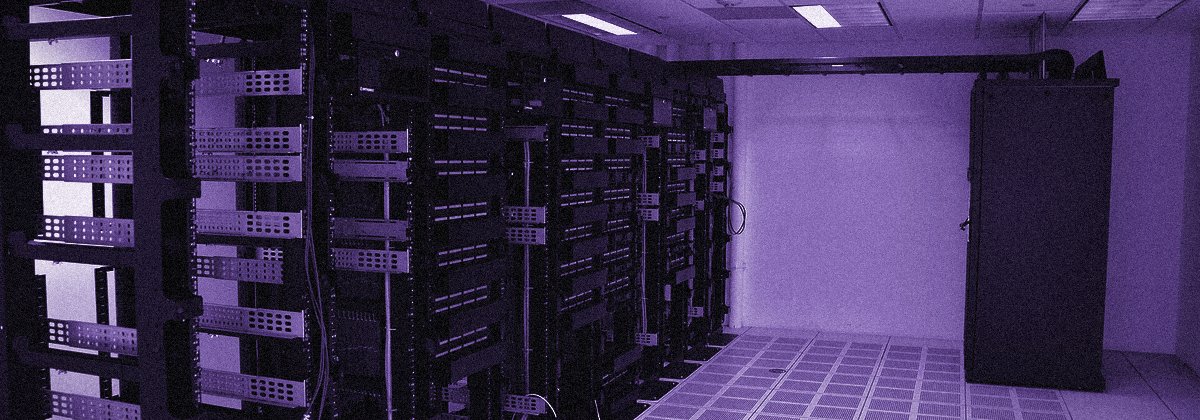
The physical layer first. Data center capacity has grown from 68 megawatts in 2021 to 467 megawatts in the first quarter of this year, a nearly sevenfold expansion in five years. Fourth and fifth generation mobile coverage reached 99 percent of the population by the end of 2025, with average internet speeds of 216 megabits per second. The digital economy now contributes about 16 percent of GDP, and the communications and technology market reached SR199 billion ($53 billion) last year.
The labor layer has moved faster. The technology workforce stands at roughly 426,000 people, up from about 150,000 in 2018, and women hold 35 percent of communications and IT jobs. The report's more unusual finding concerns direction of travel: in 2025 the Kingdom recorded some of the highest net inflows of AI professionals relative to its workforce anywhere, in the company of Luxembourg, Australia and Switzerland.
Capital Can Be Directed. Talent Chooses.
Of the report's findings, the talent figure deserves the most attention, because it is the one a government cannot simply purchase. Investment rankings respond to allocation decisions, and the Kingdom has made those at scale. Where an AI engineer moves is a private judgment about where the interesting work and the careers will be over a decade. A net inflow puts the Kingdom on the receiving end of the same calculation that built other technology centers, and it is the strongest available evidence that the buildout reads as durable from outside.
The platform citation matters for a different reason. SDAIA's national system integrates data across more than 60 government entities while leaving each dataset inside the owning institution's systems. That federated design is the difficult compromise in government AI everywhere: pooled data trains better systems, but pooling creates the security and custody problems that stall most national programs. A working model at Saudi scale is why the World Bank, whose report is addressed to developing economies, treats the Kingdom as a reference rather than only a spender.
The number that will decide the next ranking is the megawatt figure. Global AI infrastructure is now planned in gigawatts, and 467 megawatts is a strong regional position rather than a global one. The Kingdom's structural advantages, cheap energy, land and capital that moves by decision, apply to exactly this bottleneck, which is why the data-center pipeline has become the most closely watched line in the national program. Capacity announced through the Year of AI will show whether the input phase keeps compounding.
What converts inputs to output is adoption, and that is the layer to follow from here: enterprise AI deployment beyond the government platform, the export of AI services priced in something other than promises, and whether the talent inflow of 2025 repeats once the first cohort has had a year inside the Kingdom's labs and ministries.