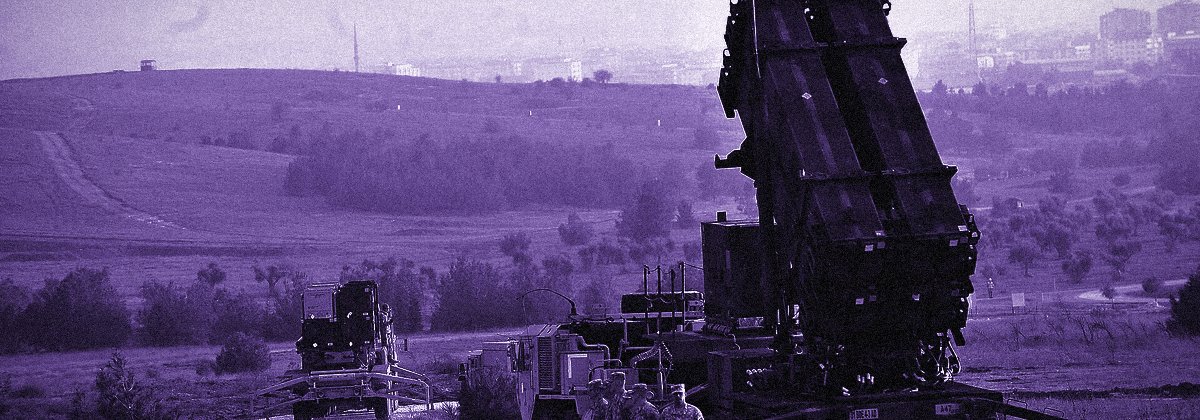
The American response to the tanker attacks arrived within hours, and it was addressed to Tehran rather than Sanaa. President Trump said "major military punishment will be inflicted upon Iran" if Houthi attacks continue. By declared American policy, an attack on a Saudi tanker is now a trigger for American action against Iran. That guarantee changes the decision map around Saudi shipping, and its terms deserve close reading.
The week's statements sit in two registers. Washington's is escalatory: twelve consecutive nights of CENTCOM strikes on Iran, and Secretary of State Marco Rubio promising that "every night the price gets higher and higher and higher." Riyadh's is procedural: the attacks were "a violation of international laws and conventions that guarantee the safety of commercial vessels and their crews," and the kingdom will take "all necessary measures" to protect its ships. Two capitals, two vocabularies, each chosen with intent.
The Posture Under Pressure
Since the spring, Saudi Arabia has run a consistent play through every escalation: intercept what comes, condemn what happened, mediate where possible. It has absorbed strikes without retaliating, kept the Doha channel to Tehran open, and left offensive operations to others. The premise is that the kingdom can manage this war from adjacent ground rather than from inside it, and the premise has held for five months.
The tanker attacks test it directly. The Houthis gain little from striking American warships, which answer for themselves. Aiming at commercial traffic presents Riyadh with a decision about how much of its maritime security to run through Washington and how much through its own channels. Each option carries a price, and the current arrangement lets Riyadh defer the purchase.
What the Guarantee Buys, and What It Costs
The American guarantee covers what no single Gulf navy can cover alone: Bab el-Mandeb is securable at scale only by the US Navy, and extended deterrence remains the lowest-cost protection on offer. The counterpart is that escalation decisions sit in Washington. If an attack on a Saudi tanker draws an American strike on Iran, Tehran's retaliation options include targets inside the kingdom; Ras Tanura and Al-Kharj have both been struck this year and defended by Saudi interceptors. Pricing that exposure against the value of the umbrella is now a standing item in Riyadh's calculations.
Each Houthi missile raises the value of the American umbrella. Each American strike raises the cost of standing under it. The two lines move together, and the space between them is where Saudi diplomacy currently operates.
The Signals That Matter
Three tells will show how this settles. The first is Saudi language: whether official statements stay in the register of maritime law or begin to speak of response. The second is the geography of American naval escorts: visible protection for Saudi-flagged tankers off Yanbu would formalize what is now implicit. The third is the Doha channel: a mediated carve-out for Saudi shipping would be the clearest evidence that the two-track approach continues to produce results.
The kingdom's position remains what it has been since spring: deterrence where it helps, mediation where it works, and no signature on anyone else's war. The next round of signals will show the price at which that position holds.