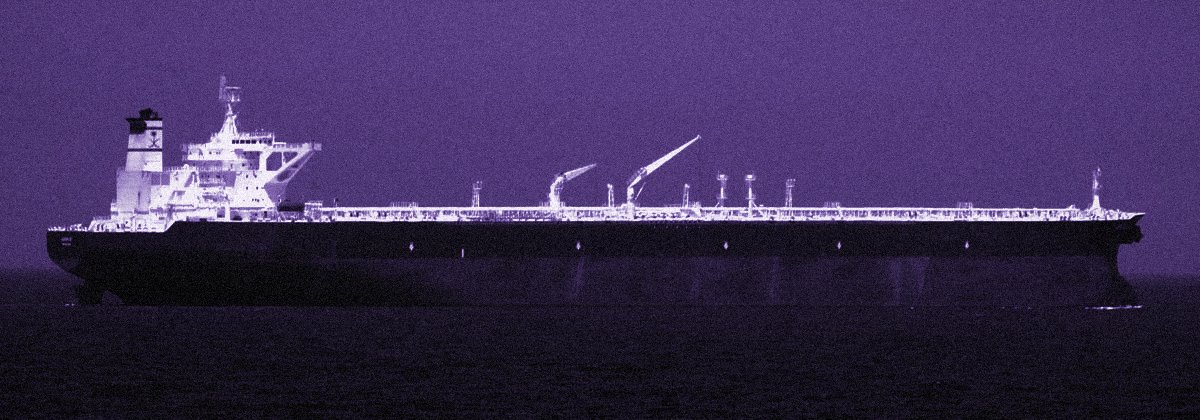
Saudi Arabia has answered each geography problem of this war with a routing decision. When Iran shut the Strait of Hormuz in the spring, crude moved west through the East-West pipeline and left from Yanbu on the Red Sea. On Wednesday, Houthi missiles reached that route. What happens next turns on three mechanisms: insurance pricing, naval protection, and the daily count of tankers willing to sail.
The confirmed facts first. On 22 July the Houthis fired on two Saudi tankers, the Encelia and the Layla, in the southern Red Sea. The Saudi Press Agency confirmed a strike on the Encelia, which caught fire at the bow; the crew was reported safe. A separate projectile struck a tanker roughly 130 kilometers from al-Shuqaiq the same day. Houthi military spokesman Yahya Saree said the ships were targeted "for their violation of the blockade decision," a reference to the naval blockade the group declared on Monday. Riyadh called the attacks a violation of the conventions that protect commercial shipping and said it would take all necessary measures to protect its vessels.
Enforcement by Insurance
When the blockade was declared, the open question was capability. Three days later the mechanism is visible, and it runs through markets rather than interdiction. Tanker transits through Bab el-Mandeb fell from 38 on Tuesday to 27 on Wednesday, by Kpler's count. War-risk premiums respond to demonstrated reach, and underwriters reprice before navies reposition. The contest is over the price of passage rather than the possibility of it.
The capacity numbers frame the stakes. The East-West pipeline runs at its ceiling of seven million barrels a day, supporting roughly five million barrels of daily crude exports from Yanbu along with several hundred thousand barrels of refined products. Before the war, fifteen million barrels a day passed through Hormuz. The Red Sea route carries the bulk of what currently moves, which is why its protection now commands the attention of several navies at once.
Why Saudi Ships
The targeting choice has a legible logic. Striking American warships invites a direct response and gains little. Striking commercial hulls puts pressure on insurance markets, tests how far Washington's declared protection extends, and attempts to draw Riyadh into a war it has managed from adjacent ground for five months. The aim is leverage rather than tonnage.
Markets registered the risk quickly. Brent moved above $98 on Thursday and touched $100 for the first time since May, up roughly a third in a month. Higher revenue per barrel arrives alongside a higher cost of moving each barrel, and the balance between those two lines now sits near the center of Saudi fiscal arithmetic.
What to Watch
Escorts are the next signal. Convoyed transits under naval protection are the standard answer to a threatened corridor, and the US Navy is the force positioned to provide them at scale. Whether escorts appear off Yanbu, and under what arrangements, will say more about the corridor's next phase than any statement.
The daily transit count at Bab el-Mandeb has become the most informative number in the region's energy trade. Steady loadings at Yanbu would mark the blockade attempt as a cost that is being priced and managed. The next two weeks of counts will show which way the market has decided.