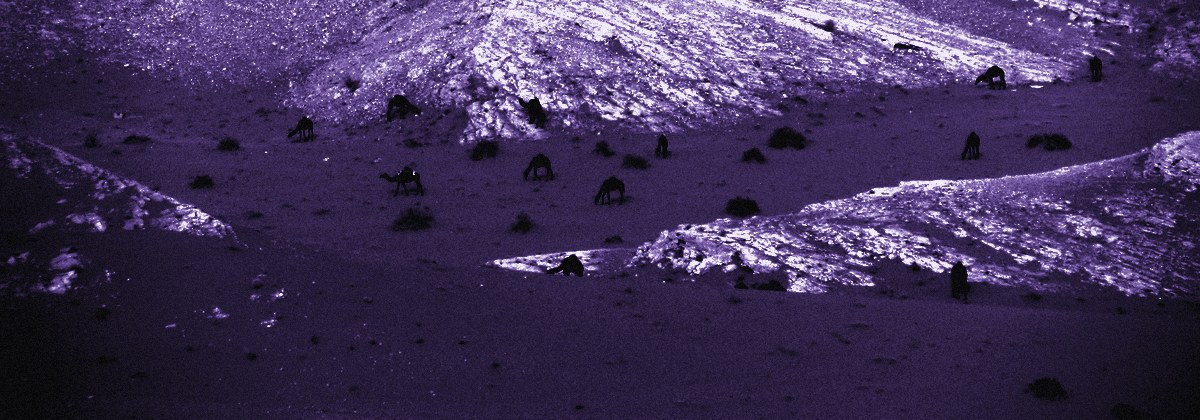
The eighth Crown Prince Camel Festival closed in Taif on Sunday with its two most coveted prizes, the Sword and the Rifle, decided across four championship rounds. The 114 camels entered in the finale carried a combined valuation of $72 million to $131 million. Across the edition, 248 races in six categories shared a purse above SR50 million. Those numbers describe a design as much as an event: prize money set high enough to make bloodlines investable, and a public calendar on which their value is tested.
The market has quotable prices. Owners at Taif put Hiyl, the female racers, at SR3 million to SR6 million and Zumoul, the males, at SR1.5 million to SR2 million, with elite competitors reaching SR7 million to SR8 million depending on racing record, results and bloodline. A price that moves with results requires results that are public, frequent and consistently judged, which is what a federation calendar provides. The Sword and the Rifle function less as silverware than as certification: a title changes what a champion’s offspring are worth.
Six Flags, One Calendar
The leaderboard reads as regional infrastructure. Saudi-owned camels took 131 wins across the edition, ahead of the United Arab Emirates with 35, Qatar with 27, Kuwait and Oman with 3 each and Bahrain with 1. Owners from six Gulf states campaigned their camels through one Saudi-run calendar, and a circuit is a particular kind of shared institution: it has its own seasons, stewards and records, and it concentrates the region’s most serious breeders in one paddock once a year.
The festival’s history is short and its accumulation fast. Launched in 2018 under the Crown Prince’s patronage and organized by the Saudi Camel Racing Federation, it has drawn more than 100,000 camels across its editions, and its 2024 edition entered Guinness World Records for the largest camel race, with 21,637 camels. This year it added Mazayen, the beauty competitions, to the program for the first time, folding a second discipline with its own valuations into the same event. The pattern matches how the Kingdom has treated heritage assets elsewhere: organize the practice, publish the rules, reward the excellence, and let a pastime become a profession.
What to watch is the market between festivals. A purse above SR50 million is the cost side of the design; the return shows up in what champions and their bloodlines change hands for once the racing stops. The Sword and the Rifle are trophies for one weekend. The asset they certify is the bloodline, and its market now has an annual clearing house in Taif.