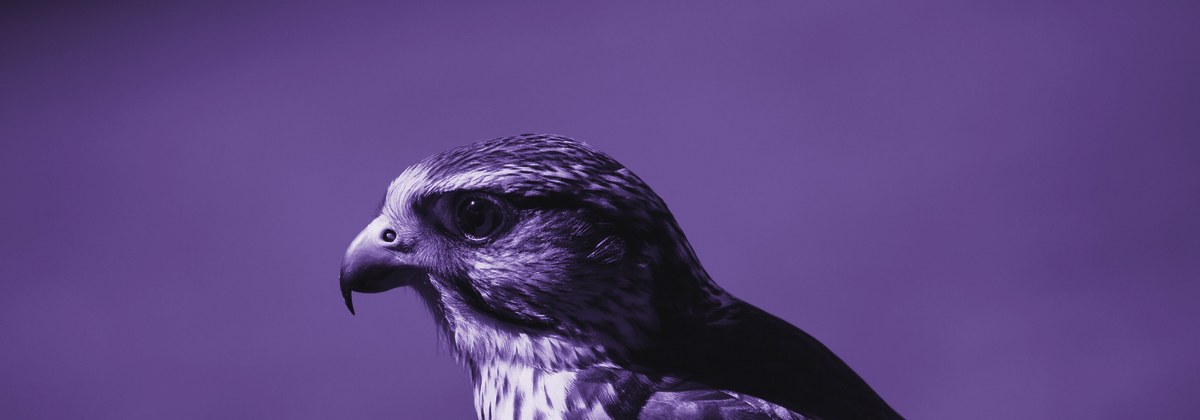
The National Center for Falcons’ auction hall at Malham, north of Riyadh, is functioning this month as the price-setting floor of a global trade. On Sunday night a juvenile gyr-peregrine from PF3 Falcons, a German breeding farm, opened at SR20,000 and sold for SR100,000. A British-bred juvenile from Sky Falcons opened at SR40,000 and went for SR101,000. The opening night a day earlier had produced SR540,000 in sales, led by a SR380,000 gyrfalcon. The International Falcon Breeders Auction runs to 25 August, and for the farms that fly their birds in from Europe and beyond, it is the season’s principal market.
The mechanism matters as much as the birds. Falcons traded in the Gulf for generations through private dealers, at prices known only to the parties. Malham puts the trade on an open floor: live bidding, television coverage, a stream on the National Center’s channels, and results published bird by bird. Public price discovery is what turns a heritage practice into an organized market, and the multiples say the demand is real. A bird that opens at SR20,000 and closes at five times that figure has been valued by a full room, not a private negotiation.
Last year’s edition sold 1,103 falcons from 67 farms across 23 countries and turned over SR13 million, a 23 percent increase on the year before. Those are the numbers of an exchange finding its scale, and the supply side explains why breeders cooperate. Captive-bred birds, sold with documentation through a regulated venue, are the trade’s answer to the pressure that generations of wild capture placed on falcon populations. A German or British farm that can command Riyadh prices for a juvenile has every incentive to breed for this market, and the center has every incentive to host them: each international farm on the floor confirms where the trade’s center of gravity now sits.
A Season Priced in August
The timing is precise. August sales put juveniles in falconers’ hands with time to train before the winter hunting season, and the gyr bloodlines that led both nights are the heavyweights of the sport, prized for size and speed. The auction also anchors a wider falconry economy the Kingdom has organized around clubs, festivals and breeding programs, with competition purses to match. Prices set at Malham in August become the reference values for the entire season that follows.
The auction has more than two weeks to run. The measures to watch are cumulative turnover against last year’s SR13 million, the share of lots arriving from international farms, and whether anything overtakes the opening weekend’s SR380,000 gyrfalcon as the season’s top price. Each is a reading on the same question: how far the world’s falcon trade now runs through a hall an hour north of Riyadh.