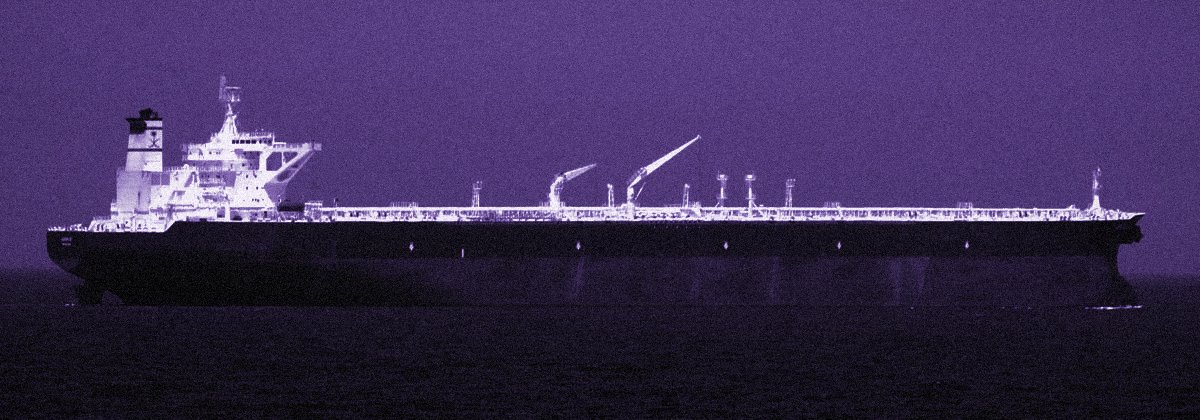
The Ministry of Defense announced Thursday that the Multinational Maritime Defense Coalition has finalized the key arrangements to activate its command structure, closing the coalition's third planning meeting at Western Fleet Command in Jeddah. Rear Admiral Abdullah bin Salem Al-Shehri, named to command the force earlier this month, will be seconded by a first deputy commander drawn from Pakistan. A headquarters has been designated and an emblem adopted. Fifteen states have signed the coalition's joint statement, 13 have completed their national procedures and signed the charter, and delegations from 39 countries sat in the room.
The ministry said the measures are intended to accelerate the development of the coalition's operational capabilities and its readiness to carry out defensive missions. The stated mission is collective maritime security across the Red Sea, Bab al-Mandab and the Gulf of Aden: protecting freedom of navigation and the continuity of trade and the supply chains that run through the corridor. Officers and personnel from member states are to be integrated into a joint command, a maritime operations coordination center and an intelligence center, with organizational frameworks and operating manuals in final drafting.
Regional security initiatives are usually announced at the communique stage and judged there too. What distinguishes this one, three planning meetings after 14 founding states launched it at the end of July, is that the membership has widened while the paperwork has deepened, and the accumulation of unglamorous machinery: a named commander, a deputy's chair assigned by nationality, reference manuals, an organization chart. Navies do not integrate through statements. They integrate through staff officers who share a building, and the Jeddah meeting was about the building.
Who Holds the Chart Table
Command is the notable element. The Kingdom has contributed to multinational maritime forces for decades, almost always within structures led from elsewhere. This coalition inverts the arrangement: a Saudi flag officer commands, the headquarters sits on the Saudi coast, and the states that depend on the corridor staff the operation rather than observing it. The design assigns responsibility for Red Sea security to the littoral and user states themselves, which is both a burden and a form of standing: the capital that runs the coordination center is the one the others must call.
Assigning the first deputy's post to Pakistan extends the logic of the Makkah Joint Defence Agreement signed in July. That pact bound the two militaries at treaty level; the coalition now gives the relationship a working address and a daily routine. For the delegations still completing accession, the two concentric circles, 13 charter members inside and the signatories of the joint statement around them, function as an open door with a visible threshold. The coalition grows by states finishing paperwork, not by reopening negotiations.
The measures worth watching are material ones: which navies assign ships rather than staff officers, when the operations center declares itself active, and whether a joint patrol schedule is published. A headquarters can be designated in a decree. A fleet exists when hulls report to it.