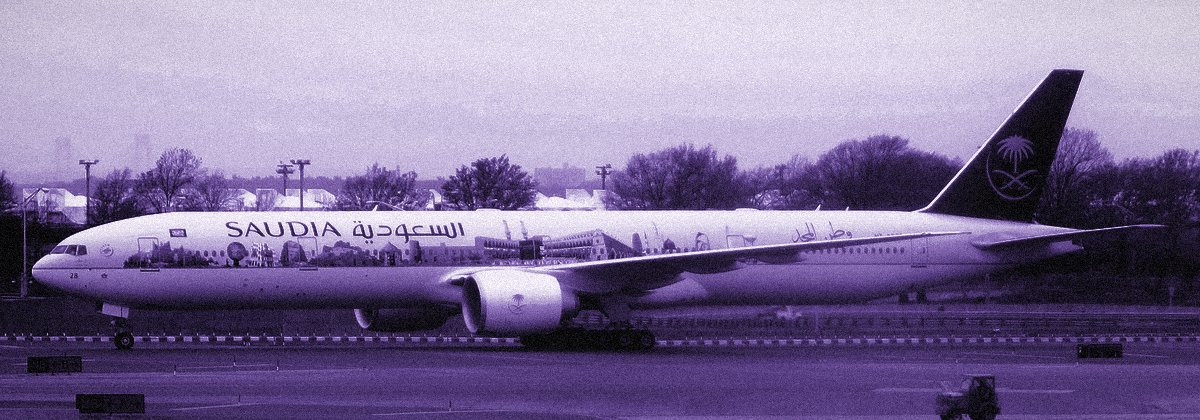
The Kingdom’s newest airline is flying. The consortium of Air Arabia Group, Nesma Group and Kun Holding confirmed on Monday that its low-cost carrier had operated its first commercial service from King Fahd International Airport in Dammam to Riyadh, an Airbus A320 fitted with 174 seats in a single class. The departure converts a July 2025 award and a week-old air operator certificate into revenue service, and it gives the Eastern Province the home-based airline its market has waited on for years.
The opening schedule holds to what was set out at licensing: twice-daily service to Riyadh and Jeddah and a daily flight to Madinah, flown on A320s. “This step marks an important milestone as the new national budget carrier takes off to the skies for the first time from King Fahd International Airport,” said Adel Al Ali, group chief executive of Air Arabia, adding that the start of operations reflects a commitment to “expanding affordable and reliable air connectivity from the Eastern Province.” Mohammed Al-Hassany, chief executive of Dammam Airports, said the inaugural flight “marks an important step in strengthening air connectivity for the Eastern Province and expanding travel options for passengers.”
Fourteen months from award to first departure is quick by startup-airline standards, and the consortium’s structure explains the speed. Rather than building an operating system from nothing, the venture imported one that already works at scale, Air Arabia’s cost base and single-type A320 fleet logic, and paired it with majority Saudi ownership. Riyadh Air took the blank-sheet route to a full-service brand; Dammam’s carrier took the franchise route to a low-cost one. The Kingdom’s aviation strategy is now running both experiments at once, from different home airports.
The airline flew its first paying passengers without telling the market its name. None of the launch statements named the carrier, which continues to operate under the consortium’s description of itself. Airlines usually sell a brand before they sell seats, so the sequencing stands out, but it is consistent with how this venture has moved: the launch date was a regulatory and operational commitment, kept on schedule, while the brand is a marketing asset that can wait for a consumer campaign. It also means the first weeks of loads will ride on price and schedule alone, which is the cleanest test available of whether an eastern base generates its own demand.
The targets on record set the slope the schedule now has to climb: 24 domestic and 57 international destinations by 2030, roughly ten million passengers a year and more than 2,400 direct jobs. The catchment argument has not changed since licensing. The Eastern Province holds the country’s industrial core and a business-travel base that flies on contract cycles, and its geography has long leaked demand across the causeway to Bahrain’s airport. A carrier that banks its aircraft overnight at King Fahd International competes for that traffic at its point of origin, one rotation at a time.
What to watch next is unchanged in kind and sharper in timing: the brand name, the first international filings, the winter timetable and the pace at which aircraft join the fleet. Suppliers gave the first tell before launch, when CATRION disclosed a five-year catering agreement. The next tells will come from the schedule itself, because a base either fills its own aircraft or lends them to other people’s hubs. The first departure has settled only the question of whether the airline exists. Everything else it will have to prove in service.