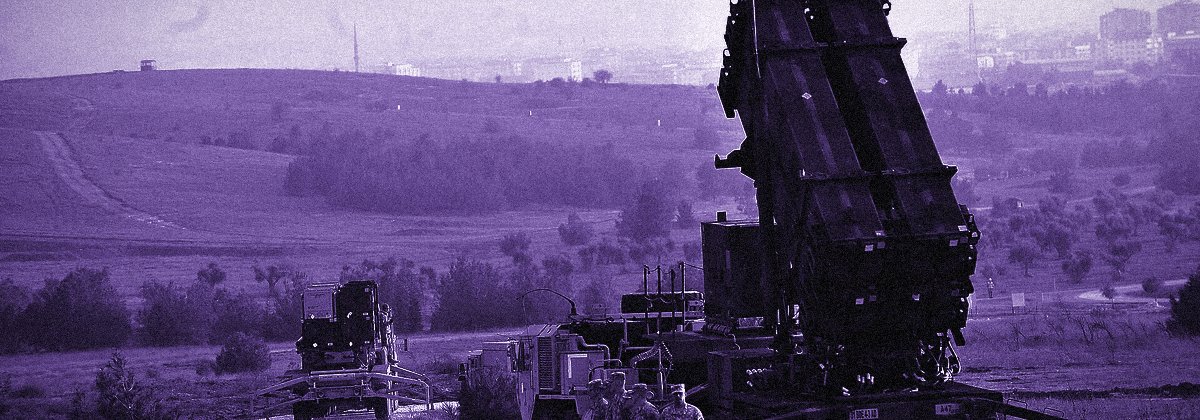
The first returns on Wednesday's strikes arrived within a day, and they looked like the week before: drones out of Iraqi territory, aimed at oil facilities in the Eastern Province, intercepted before they reached anything. Defense ministry spokesman Major General Turki al-Malki said air defenses destroyed several drones "over the past few hours," attributed the launches once again to Iranian-backed militias operating from Iraq, and reported no damage. The campaign the joint strikes were built to answer did not pause to absorb them.
What changed is the context each interception now lands in. The UAE foreign ministry called the renewed attacks "a flagrant violation of the sovereignty of Saudi Arabia" and pledged full solidarity. Gulf Cooperation Council Secretary-General Jasem Albudaiwi went further, calling them terrorist acts and "a dangerous escalation, a flagrant violation of the Kingdom's sovereignty, and a direct threat to its security and stability, as well as to regional peace and security." These are the strongest collective Gulf statements of the drone campaign to date, and they arrived on a day when the campaign stopped being an exclusively Saudi experience: a strike attributed to Iran hit a building housing a Chinese company in northern Kuwait on Thursday, killing one worker, and Egypt's cabinet attributed a fire at Damietta port to a drone.
In Iraq, the argument over Wednesday's strikes hardened into positions. The national security council under Prime Minister Ali Al Zaidi called them "a flagrant violation of Iraq's sovereignty." The armed forces spokesman demanded "evidence and proof regarding the launch of attacks from Iraq." Kataib Hezbollah called its own response "inevitable," said it could target American "tools" inside Saudi Arabia, and gave Baghdad until 6 August to demonstrate it can protect Iraqi sovereignty. The Popular Mobilization Forces put the toll at 20 dead, with Iranian advisers among them; Iranian press reported four Revolutionary Guard advisers killed.
Above all of it, the American campaign resumed at full weight. From Wednesday night, Central Command struck what it described as dozens of Revolutionary Guard command centers, missile and drone infrastructure, and maritime defense systems, including targets on Qeshm Island and in Bushehr province; Iranian state media reported three killed on Qeshm. The Guard, through its Sepah News outlet, promised to "punish the aggressor today." Pakistan's foreign ministry said US-Iranian talks on de-escalation and the Strait of Hormuz continue regardless.
What an Interception Buys
The temptation is to read the renewed drones as proof the strikes failed. The arithmetic reads differently. The launches were never going to stop on command; drones are the cheapest instrument in this war, and firing them is the militias' way of showing the strikes did not decide anything. What the strikes changed is the price attached to the launch geography. Every wave now arrives against a demonstrated precedent: the Kingdom converts attribution into aircraft, jointly with CENTCOM, under a legal case it files in advance. The militias' choice is no longer whether Riyadh will answer but how often they can afford the answer.
The Gulf statements carry more than sympathy. Four of the six GCC states have now been touched by this campaign in some form, and Kuwait buried a casualty of it on the same day its neighbors issued condemnations. Collective language of this strength converts Saudi air defense from a national concern into the Gulf's forward line, which matters for what Riyadh can ask of its neighbors next: airspace coordination, sensor sharing, and political cover for further strikes if the launches continue.
The Deadline Points Inward
Kataib Hezbollah's 6 August ultimatum is addressed to Baghdad, and that address is the message. By making the Iraqi government responsible for answering Saudi Arabia, the group positions itself as the defender of a sovereignty its own launches compromised, and puts Al Zaidi's government on a clock it did not set. The phrasing of the threat is equally deliberate: American "tools" inside the Kingdom describes bases and personnel, not Aramco. Whether that distinction survives contact with an actual operation is the question the Kingdom's air defenses are configured for.
The next week has three markers: the 6 August deadline, the tempo of interceptions across the Eastern Province, and whether Al Zaidi's canceled Riyadh visit, with its disarmament and oil-export agenda, finds a new date. The drone war has settled into a rhythm the Kingdom can sustain. What Wednesday added is a reason for the other side to recount its own costs.