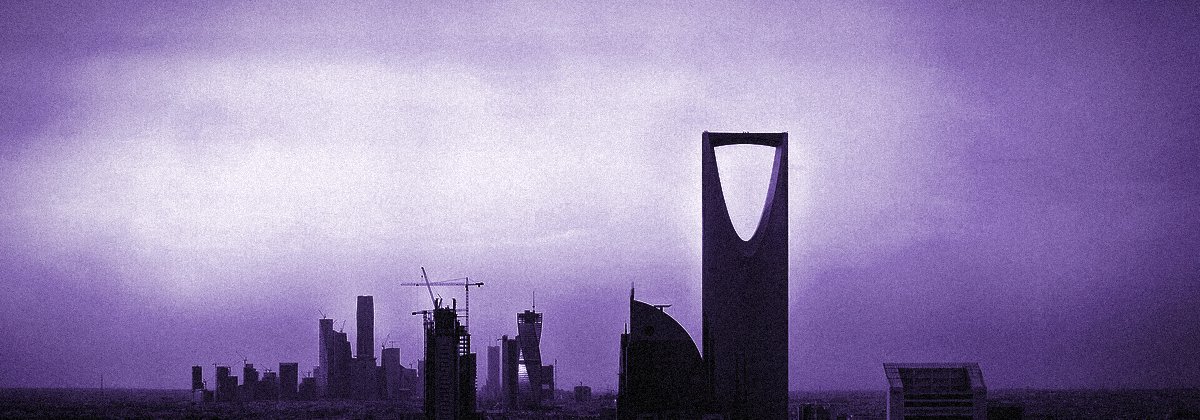
Expo 2030 Riyadh is being planned backward from its own aftermath. The operating targets its organizers work to are public: 42 million visits, invitations to 197 countries, a site of roughly six million square meters, and six months of operation between October 1, 2030 and March 31, 2031. The number that discloses the strategy sits further down the planning documents: at least 95 percent of what gets built is to be repurposed after closing, converted into a permanent district the organizers call the Global Village. For the Kingdom, the fair is a deadline mechanism attached to a piece of the capital that is meant to outlive it.
The benchmark the target will be measured against closed ten months ago. Expo 2025 in Osaka ended its 184-day run in October with just over 25.5 million general visits, a strong result that still ran a third below Riyadh's goal. The gap defines the audience. No plausible volume of long-haul tourism covers 42 million entries in six months; a target of that size assumes repeat visits from the city's own residents and the wider Gulf, priced and programmed accordingly. Read that way, the number is a statement about who the expo is for. The primary customer is the region that can drive or take a short flight, and above all Riyadh itself.
The same logic runs through the hotel program. Preparations reported around the event anticipate some 70,000 new hotel rooms, a scale of construction that only makes sense if the rooms have a life after March 2031. Riyadh has spent three years building a conference economy, from the Future Investment Initiative to a lengthening calendar of sector summits, that currently presses against the capital's room stock. The expo buildout is, in effect, the capacity investment for that permanent business, with a six-month global event serving as its launch customer.
Four Years Out Is the Real Opening Day
Expos are won or lost in the procurement phase, and that phase is now. Contract packages structured over the next 18 months will land in a market the Saudi Contractors Authority already sizes at more than SR3 trillion of projects over three years, with 1,648 foreign contracting firms registered and local content requirements passing half of procurement value. The expo will not get a separate labor force or supply chain; it competes for the same engineers, steel and program managers as every other national project. Sequencing that competition, and holding contingency discipline while doing it, is the quiet test of the next two years, well before any pavilion opens.
The 95 percent reuse target earns its keep here. A commitment of that kind operates as a design filter: structures with no afterlife struggle to justify themselves, spending migrates toward utilities, transit and buildings the district keeps, and the temporary spectacle gets confined to what can be struck cheaply. It is also insurance against the oldest failure mode of world's fairs, the celebrated site that empties the day the flags come down. Osaka spent its closing months debating which fraction of its centerpiece to preserve. Riyadh has written the answer into the brief before breaking ground.
There is a second event hiding inside this one. The Kingdom hosts the World Cup in 2034, four years after the expo closes, and much of what the fair forces into existence, hotel stock, event operations experience, an expanded airport and transit spine, amortizes directly into it. The expo functions as the rehearsal with revenue: a global event large enough to stress every system the next one will need.
The indicators worth tracking are contractual, not ceremonial: which construction packages are let this year and at what pricing, whether the Global Village acquires a named operator and a budget of its own, and how the hotel pipeline phases against the 2030 opening. Expo cities are judged twice, once at the opening ceremony and once a decade later, when the site is either a district or a relic. Riyadh is spending now to pass the second judgment.