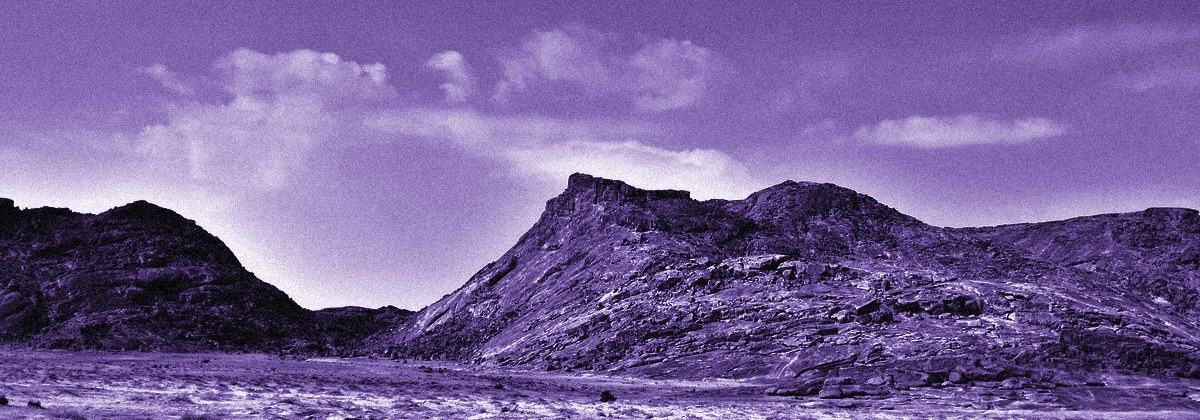
The Imam Turki bin Abdullah Royal Nature Reserve Development Authority used Sunday to restate the rule that governs 91,500 square kilometers of the Kingdom’s northeast: grazing happens by permit, in designated zones, within quotas set by what the pasture can carry. The authority’s warning was specific. Uncontrolled grazing strips vegetation before plants can mature and set seed, which erodes soil, cuts water retention, and degrades the rangeland for everyone who depends on it. The timing places the statement at the start of the season when rain, seeding, and herd movement all converge on the same ground.
It also completes a picture the vegetation agencies began drawing a day earlier. The National Center for Vegetation Cover’s autumn program will sow 60,000 hectares of pasture across 70 sites this season, timed against rainfall forecasts. That is the supply side of Saudi rangeland policy. The reserve authority manages the demand side: how much of what grows gets eaten, by whose herds, and when. Planting and permitting are halves of one policy, and the Kingdom is now running both on a calendar.
The rulebook itself has been through four revisions in four years. The reserve issued its first grazing regulations in January 2022 and its fifth edition in March of this year, a pace that suggests rules being tuned against practice rather than a decree left on the shelf. The current edition requires authorization for all grazing, sets zones, time periods, and livestock quotas against measured pasture capacity, expands permitted areas near settlements, and rings the reserve with buffer belts. Tree-cutting, logging, and off-road driving are prohibited outright. Patrols and monitoring systems enforce the lines, with violations referred for legal action.
The design choice worth noticing is where the rules bend. Expanding grazing areas near settlements keeps herding communities inside the system, with a permit as a stake in the pasture’s recovery rather than a fence shutting them out. Open-access rangeland fails every herder who uses it, because each has reason to graze first and none has reason to restrain. Quotas set by carrying capacity convert that into a managed commons. Enforcement exists, but a permit system over 91,500 square kilometers works only if compliance is worth more to a herder than evasion, which is what the settlement provisions are for.
The authority attached a result to the rules: dust storm frequency across the reserve down 76.2 percent this year, by its count, attributed to expanded vegetation cover and land restoration. The figure is the reserve’s own, but the direction matches what national monitoring has reported as cover returns. It is also the argument for why rangeland rules reach beyond rangeland. Vegetation that holds soil in place is air quality policy for cities, maintenance policy for solar farms and aviation, and health policy for anyone downwind. A grazing line enforced in the northeast shows up in air the rest of the country breathes.
Autumn will test the machinery. The meteorology center’s forecast puts above-average rain on the calendar through November, which sets both the sowing schedule and the moment herds move toward fresh growth. Watch the sequence: the reserve’s seasonal grazing announcements against the vegetation center’s sowing map, and, by spring, whether the survival rate of this season’s 60,000 hectares becomes the number both institutions are judged by. Rules and seed go into the same ground. What comes up decides whether the ledger balances.