The largest number in Saudi technology this quarter acquired a signature on Sunday. Al Moammar Information Systems told the market it has signed definitive agreements with HUMAIN, the Public Investment Fund’s artificial-intelligence company, worth more than SR8.7 billion, converting the data-center award it disclosed in late August into a binding contract. The same round of disclosures included a separate SR64.6 million contract with SDAIA, the national data and AI authority. With the signature, the construction phase of the Kingdom’s AI program moved from announcement to order book.
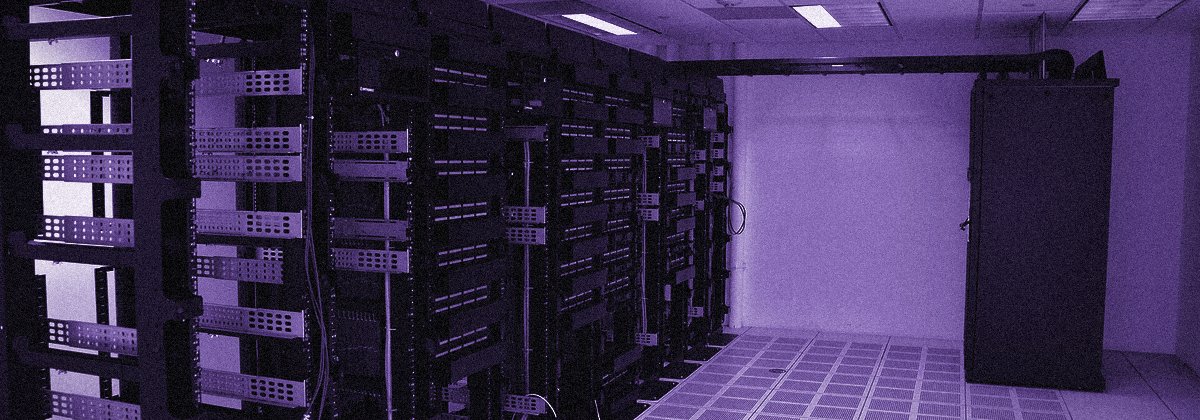
The contract executes the award MIS disclosed on 28 August: engineering, procurement and construction of AI-dedicated data centers that expand the capacity the firm is building for HUMAIN from the 50 megawatts contracted in March to 250 megawatts. Execution proceeds in stages through sequential work orders, with the value and timeline of each disclosed as it is received. Work already under way on the original 50 megawatts continues unchanged.
The delivery mechanism is the substantive part. AI infrastructure programs are usually measured in declared gigawatts and multi-year horizons, figures that resist verification. A contract that reports in dated work orders behaves differently: each order tells the market how much capacity has actually been commissioned, and when. For a listed contractor, that cadence of disclosure is also what keeps a commitment of this size legible to its own shareholders, quarter by quarter, rather than as one number standing in the distance.
The buildout has developed a domestic supply chain along the way. Edarat, listed on the Nomu parallel market, holds a SR197.8 million design and consultancy award from MIS for the expanded project, and this month received a SR127.5 million purchase order for computing equipment. What began as a single award is distributing itself across the exchange as a chain of disclosures, which is how an infrastructure program turns into an industry.
Sunday’s filings also sketch the state’s several roles in a single frame. HUMAIN, a PIF company, is the developer and customer of record. SDAIA, which signed its own SR64.6 million contract with MIS the same day, is a government buyer; last week, at the UNESCO forum in Riyadh, it was issuing AI-ethics badges as a regulator. Communications Minister Abdullah Al-Swaha, meanwhile, was reported on Saturday to be discussing AI infrastructure expansion with AWS and Microsoft, whose Saudi cloud regions are due to go live in November and December. The state is building, buying, certifying and recruiting at once; what keeps the roles distinct is largely who signs which contract, and in public.
The financing layer is assembling in parallel. HUMAIN’s data-center fund, seeded at $2.5 billion with BSF Capital, is awaiting authorization from the Capital Market Authority, and the hyperscaler regions arriving this winter will begin to show whether commissioned capacity meets paying demand at the pace the program assumes.
The numbers to watch from here are the small ones: the value and date of the first work order issued under the definitive contract, and the interval to the second. In a program of this size, the short documents will say more than the long announcements.