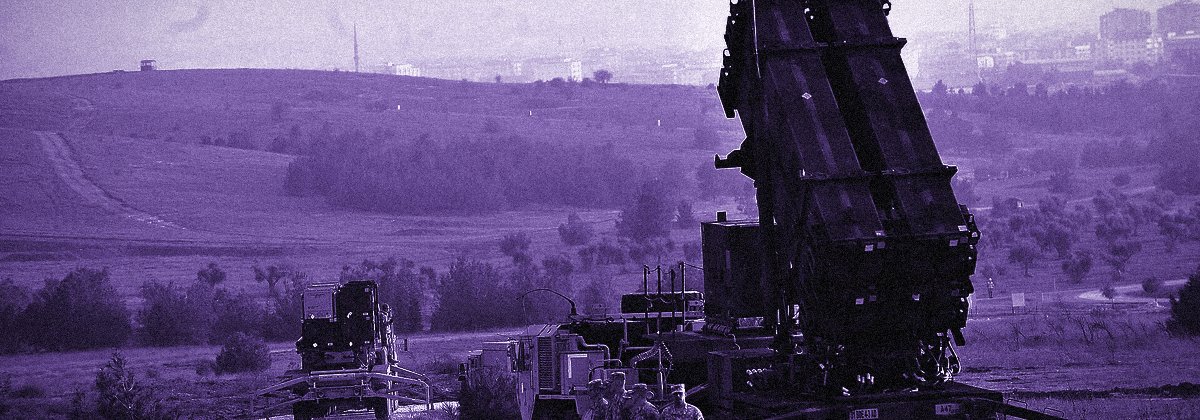
Saudi air defenses intercepted and destroyed two ballistic missiles fired toward Khamis Mushayt and a drone over the Riyadh region in the early hours of Sunday, the Saudi-led coalition said. The General Directorate of Civil Defense sent mobile alerts warning of a hostile aerial threat to residents of Riyadh and Khamis Mushayt at about 1:30 am and lifted them minutes later. No casualties or damage were reported from any of the weekend’s intercepts.
The night followed a similar Saturday. Coalition spokesman Maj. Gen. Turki Al-Maliki said forces intercepted and destroyed four drones across Riyadh, the Eastern Province and the southern regions, and destroyed two ballistic missile launchers in Yemen’s Saada governorate. Later on Sunday, Civil Defense issued alerts for Najran City and As Sulayyil governorate, then lifted those as well.
The pattern has settled into a cycle: detection, a mobile alert, an intercept, an all-clear, usually inside minutes. The geography carries its own information. Riyadh, the Eastern Province, Khamis Mushayt, Najran and As Sulayyil sit hundreds of kilometers apart, and defending all of them across one weekend describes a net rather than a front line. For most residents the alert itself, received and lifted before the household is fully awake, is the only visible trace of the system working.
Civil Defense paired the alerts with an instruction. Residents are not to film or share footage of intercepts, or to circulate unofficial information about them, and the directorate warned of legal consequences for doing so. The directive treats the information environment as part of the defense: a video that shows where an interceptor rose from carries information the system has no interest in publishing, and the authorities have chosen to say so plainly.
The weekend also recorded a loss away from the intercepts. A Ministry of National Guard AH-6i reconnaissance helicopter crashed in the Najran region, and its two-officer crew was killed. Al-Maliki attributed the crash to a technical malfunction and offered condolences to the families. Reconnaissance over the southwest is continuous work in the current period, and the crash is a reminder that the tempo is carried by crews flying it night after night.
In the capital, the Ministry of Education has extended remote learning in Riyadh and Diriyah schools for another week. The measure is the clearest public reading of how officials are pricing risk: week by week, reviewed as the picture changes, rather than on any longer horizon.
The open item is unchanged. Operations at King Khalid International Airport remain suspended under the General Authority of Civil Aviation’s extension pending safety and readiness checks, and the authority’s next statement will mark the capital’s return to normal air service. Until then, the weekend set the working measure of the period: an alert at 1:30 in the morning, an intercept, and an all-clear a few minutes later.