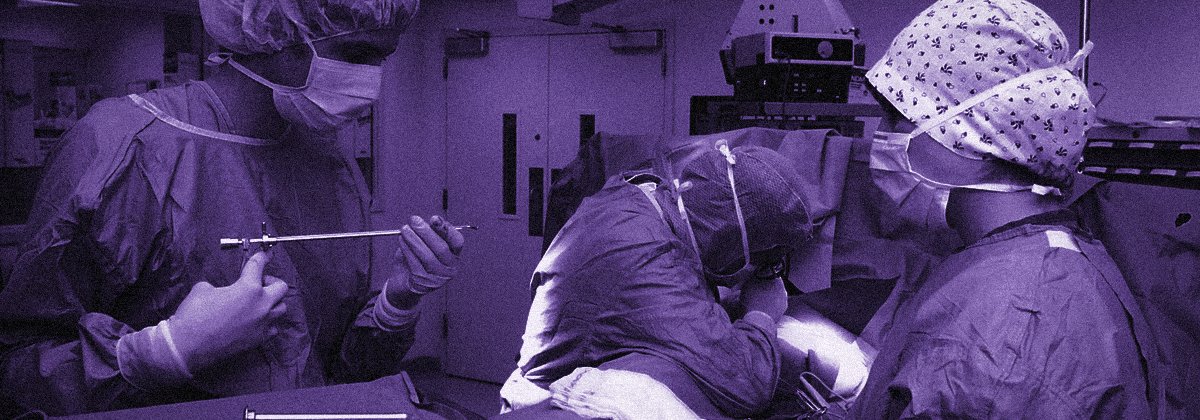
Thirty-four clinicians at King Abdullah Specialized Children’s Hospital in Riyadh worked for 12 hours and 45 minutes on Thursday to separate Jesepeli and Diceacea, 13-month-old twin girls from Fiji joined at the abdomen and pelvis. The operation ran through nine planned stages and finished ahead of the roughly 15 hours the surgical plan had allowed for. It was the 74th separation performed under the Saudi Conjoined Twins Program, and the second in a week: the same hospital separated a Moroccan pair, the program’s 73rd case, on October 8.
The anatomy made this one of the harder configurations the program takes on. The girls shared a liver, intestines, colon and anus, a urinary system, a reproductive system and a pelvic bone, and the pre-operative assessment put the chance of success at 70 percent. Specialists in anesthesiology, pediatric surgery, plastic surgery, orthopedics and urology moved through the theater in sequence, which is what the stage count measures: each stage is a discipline completing its part of the plan and handing the table to the next.
Dr. Abdullah Al-Rabeeah, adviser at the Royal Court and supervisor general of the King Salman Humanitarian Aid and Relief Center, led the team, as he has across most of the program’s history. KSrelief, which runs the program, said the twins have been given the names Noura and Sarah and are "beginning their journey toward a new life." The family arrived in the Kingdom on July 21; assessment, surgical planning and the operation itself fit inside twelve weeks.
The program’s numbers describe an institution rather than an event. Since 1990 it has reviewed 159 sets of conjoined twins from 28 countries across five continents and operated where the anatomy allowed. Thursday’s case was the first from Fiji, which extends the referral map to the South Pacific; the 73rd came from Morocco, the fourth from that country alone. A register like that rests on the quieter parts of state capacity: a standing surgical team, a referral and travel pipeline that can move a family from Suva to Riyadh, and a budget line that has survived 36 years of competing priorities.
The program is also a form of reach that asks nothing of the sending country beyond the case file. Both families this month thanked the King and the Crown Prince, and both operations were announced through the state’s own channels, but the program’s currency is clinical rather than diplomatic: referring hospitals deal with a surgical board, not a ministry. In a month when the Kingdom’s name has traveled on energy congresses and investment bulletins, the operating theater remains its longest-running export of expertise, and the one with the most exacting audit, since every case ends in a published outcome.
The measure of Thursday’s work now moves to the recovery ward: separate intensive care for each girl, staged reconstructive follow-ups, and the physiotherapy that teaches a body to balance weight it no longer shares. The program will record the outcome the way it has recorded 73 others, and the next case file in the queue is already being read.