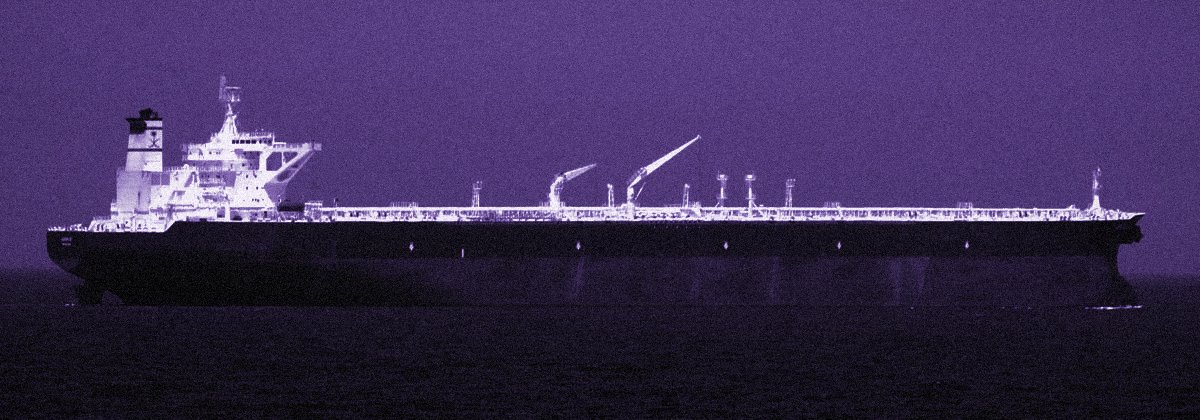
The Cabinet approved the establishment of a Saudi marine war-risks insurance pool this week, and Finance Minister Mohammed Al-Jadaan’s description of it, carried by the Saudi Press Agency on Wednesday, identifies the problem it solves. The cost of moving goods to and from the Kingdom has until now been priced in markets the Kingdom does not regulate. A national pool moves part of that pricing home.
The design is broad. The pool will write cover for cargo moving by sea, land and air, for ship hulls, for charterers’ liability, and for protection and indemnity, the liability cover that commercial shipping depends on. The Insurance Authority supervises. Saudi Reinsurance Co., the listed national reinsurer, leads the arrangements, and Saudi insurers participate by writing cover under approved terms. Al-Jadaan called the pool a specialized national mechanism to strengthen the insurance market’s ability to manage marine risks, and framed its purpose as continuity: keeping trade and supply chains moving and reinforcing the Kingdom’s position as a logistics hub.
The case for building it now is arithmetic rather than argument. Commercial war-risk cover across the region has repriced sharply this year, and for some classes of business it has narrowed. Premiums move with underwriters’ reading of distant events, reset at short notice, and are set largely in London. For an economy running a diversification program built on imported machinery and exported products, that is a cost and a dependency at once. The pool answers both. It puts a domestic floor under insurability, so that a route into the Kingdom’s ports stays coverable at terms set by Saudi institutions.
The institutional choices carry their own signal. Saudi Re has spent years building a reinsurance book at commercial scale; a national pool mandate makes it something closer to a public instrument, the way state-adjacent reinsurers anchor domestic risk in other trading economies. The Insurance Authority, consolidated as the sector’s single regulator in 2023, adds a strategic function to a rulebook barely three years old. And the structure is deliberately a partnership: the state convenes and supervises, but the pool works through commercial insurers, which keeps premium income and underwriting skill inside the Saudi market rather than substituting for it.
Other trading states have reached the same conclusion this year; India stood up a sovereign maritime insurance pool in the spring with a government guarantee behind it. The more interesting effect for the Kingdom is longer-term and local. A pool that touches every insured shipment accumulates something Saudi insurers have never held at scale: a comprehensive marine risk book, route by route and cargo by cargo. Underwriting knowledge follows data. Insurance is one of the services the financial sector program wants built at home, and marine war risk has just become the class where that ambition gets tested first.
The weight of the mechanism will be decided in the implementing details: how the pool is capitalized, how its pricing sits against commercial alternatives, and whether cover extends to foreign-flagged vessels carrying Saudi trade. Those rules fall to the Insurance Authority and Saudi Re in the months ahead. The first policies written, and in time the first claims paid, will show whether the pool becomes a standby facility or the new default for the Kingdom’s shipping lanes.