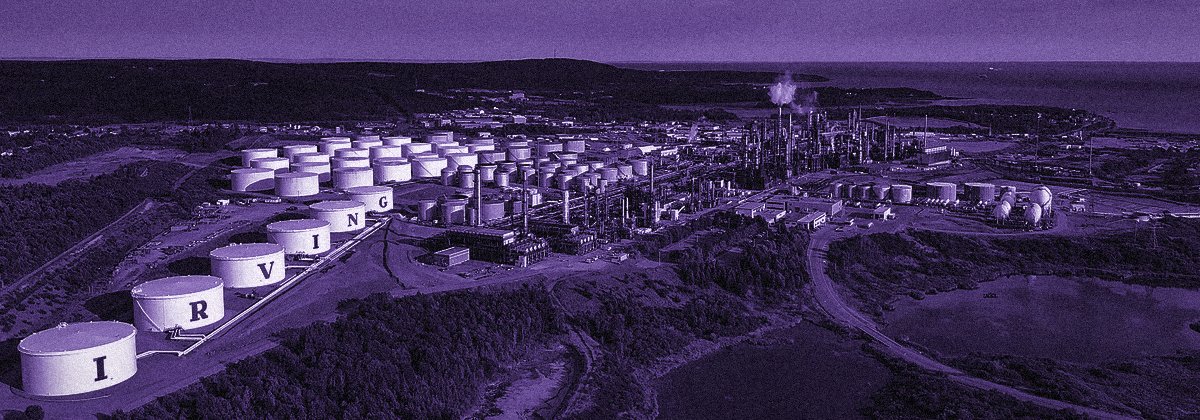
Missile and drone attacks struck civilian and energy sites in Abha, Khamis Mushait, Jazan and Najran before dawn on Tuesday, wounding 73 people and starting fires that forced a temporary halt to some energy operations. By evening the Kingdom had answered in three registers. The Ministry of Energy described field teams and operational plans. The coalition command described a dangerous escalation and promised operational measures. The Foreign Ministry condemned the attacks and warned against their repetition. And the Tadawul, the most closely watched gauge of how the economy carries this war, closed 0.1 percent higher.
The confirmed record sits in the official statements. The Ministry of Energy said energy sector facilities in the southern region were targeted, that the attacks caused fires at several locations and a temporary halt in some operations, and that specialized field teams had begun containing the fires, securing the sites and assessing the damage. It said the authorities were taking the necessary measures to ensure the safety of facilities and personnel and the continuity of operations in accordance with operational plans. The ministry did not name the facilities, and this article does not guess at them.
Maj. Gen. Turki Al-Maliki, the coalition spokesman, put the toll at 73 civilians wounded, women and children among them, and called the attacks a flagrant violation of the Kingdom’s sovereignty and a direct threat to the security and safety of its citizens and residents. The coalition, he said, would take all necessary operational measures to confront the threat. The Houthi movement claimed the attacks, saying it had fired dozens of ballistic missiles and drones at economic facilities and air bases. The scale is new: an attack in August wounded 11 people in Najran province, and Tuesday’s toll is several times the worst previous count of this war on Saudi ground.
What Each Register Does
The three statements divide the work deliberately. The Energy Ministry’s language is procedural: fires, teams, plans. It reads like a page from a continuity manual because it is one; the Kingdom’s energy system has drilled for this scenario since 2019, when strikes on Abqaiq and Khurais removed roughly half of production capacity and the system restored it within weeks. The measure of Tuesday will not be the fires but the restoration interval, and the ministry’s statement is written by an institution that expects to be judged on exactly that.
The coalition’s register is doctrinal. It names the escalation, promises measures and specifies none of them, which preserves every option while committing to no timetable. The Foreign Ministry’s is diplomatic, and it matters that the Kingdom’s diplomacy was already in motion on this file: two days before the attacks, the foreign minister signed a strategic dialogue accord in Berlin with navigation on the agenda. Riyadh has spent the year insisting that Gulf commerce and Gulf territory are not legitimate fronts in anyone’s war, and it has answered each escalation by adding institutions rather than rhetoric: a defense pact at Makkah, a maritime coalition now operational, a committee machinery built for contingencies of precisely Tuesday’s kind.
The Fourth Register
The market’s answer deserves its own reading. The main index closed at 11,036.25, up 0.1 percent on turnover of SR3.21 billion, a session that would pass unremarked in any week. Investors had data behind the calm: the same morning, GASTAT’s detailed national accounts showed non-oil activities growing through the war’s worst quarter. Seven months of closed straits, repriced insurance and rerouted cargo have taught the exchange to distinguish the war’s geography from the economy’s, and Tuesday’s session shows that distinction holding even with the war standing closer than it has stood all year.
That proximity is what changed. For most of 2026 the conflict reached the Kingdom offshore, in freight rates, in insurance premiums, in the crew of the Sidr. Tuesday put fires on Saudi ground and 73 residents in the casualty count. What to watch now: the restoration timeline the ministry’s next statements describe; the form the coalition’s promised measures take; whether the Makkah agreement’s standing committee is convened; and whether the diplomatic track continues in parallel with all of it. The pattern of the Kingdom’s year is that escalation is answered with institutions. Tuesday is the sharpest test yet of what those institutions were built for.