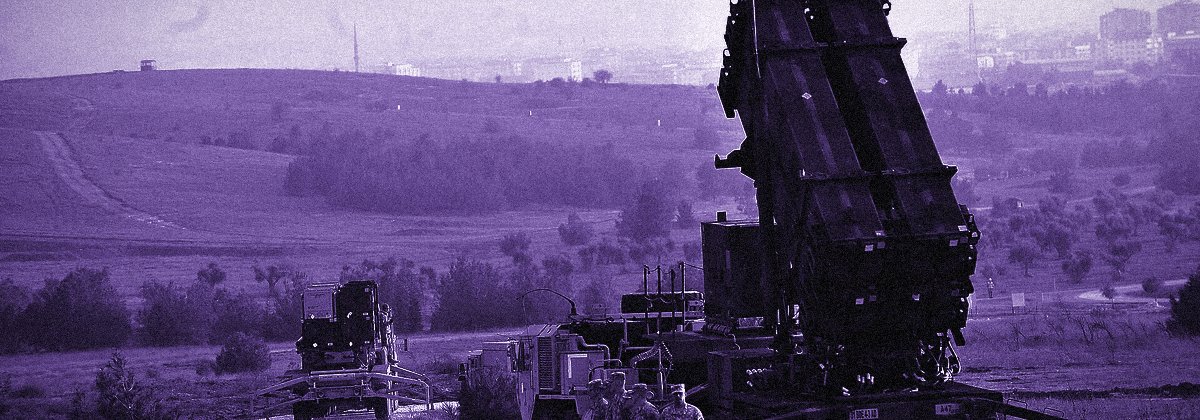
The coalition’s account of Monday night is specific. Ballistic missiles and drones launched by the Houthi militia targeted civilian objects in Khamis Mushait, Abha and Taif, injuring 13 civilians, with injuries described as minor to moderate, and damaging seven houses and two vehicles. Maj. Gen. Turki Al-Malki, the coalition spokesman, delivered the toll and the attribution in the same statement. By Tuesday morning the Civil Defense had alert notices standing in Abha, Jeddah, Jazan, Taif, Yanbu and AlUla. Read together, the two lists are the record of the week: three cities struck, six placed on notice, and none of it left to rumor.
The alert list is the more informative document. A strike list records what an adversary attempted; an alert list records where the Kingdom’s own assessment has chosen to hold public readiness, and publishing it is itself a policy. Residents in six cities were told plainly what the authorities were watching, which is how a civil defense system spends credibility carefully accumulated over a year of drills, sirens and same-day accounting. States under intermittent attack face a choice between managing information and managing rumor; the Kingdom has consistently chosen the first, and Tuesday’s notices extend that choice along the western seaboard.
The Second Week
Monday’s toll is smaller than the last one; its placement is the new fact. On September 8, attacks on four southern cities wounded 73 people. This week’s list adds Taif, in the Makkah region, and the precautionary notices reach Jeddah, Yanbu and AlUla. The East-West Pipeline, struck by drones launched from Iraqi territory on Thursday, remains shut as a precaution, with no restoration statement yet from the Energy Ministry. The Kingdom’s bookkeeping through all of it has stayed precise and same-day, published down to the number of houses. That precision is not clerical habit. A documented, dated, attributed record of attacks on civilian objects is the raw material of the diplomatic file Riyadh has kept all year, and it is assembled statement by statement.
The coalition’s response formula repeats the September pattern. Its joint forces, the statement said, will deal with the attacks “responsibly and firmly to protect the sovereignty of the Kingdom, civilian objects and civilians from these heinous attacks.” The wording names an obligation and preserves every option, committing to no timetable and announcing no escalation. That has been the Kingdom’s register through the month: the pipeline handled as procedure, the Iraqi government handed the first move on its own territory, a war-risk insurance pool built at home, and each strike answered with instruments rather than adjectives.
What the Map Does Next
The items to watch are the ones the statements themselves point to. The form the coalition’s measures take, and whether they are announced or simply observed. Whether the Civil Defense list lengthens, shortens or clears, since the standing notices are the closest thing to a published threat assessment the public receives. Whether the Makkah Joint Defence Agreement’s standing committee is convened, which would move the week from national response to collective consultation. And the Energy Ministry’s next statement on the East-West line, still the file where the Kingdom’s preference for procedure over reaction is most legible. The alert map will be redrawn daily; the pattern of response it belongs to has not changed in two weeks of testing.